Tulle isn’t necessarily the first place that springs to mind when you think about visiting France, but this small city in Corrèze is worth getting to know. The capital of the department, Tulle sits in a narrow valley surrounded by the hills of the Limousin countryside, and was a surprise hit on one of our road trips through France. I recommend a weekend in Tulle – it’s a great base for the area.
Tulle is associated with accordion-making, lace, its former arms manufacturing industry and some important (and painful) chapters of French history. Add a medieval centre, a cathedral, riverside walks and some good local food, and you have enough to fill a weekend without feeling like you’re rushing around.

Weekend in Tulle: Things to do
Arriving into Tulle, you’ll immediately realise why it has been dubbed the ‘city of seven hills’. As you drive into the valley, the steep hills on all sides make it quite a dramatic entrance.
Tulle’s History
If you’re interested in history and old buildings, Tulle is easy to explore on foot.
The medieval quarter grew around the Benedictine abbey, and you can still see plenty of evidence of its importance in the architecture. Narrow streets, old houses and small squares make wandering around the centre more interesting than simply ticking off individual attractions.
Tulle Cathedral
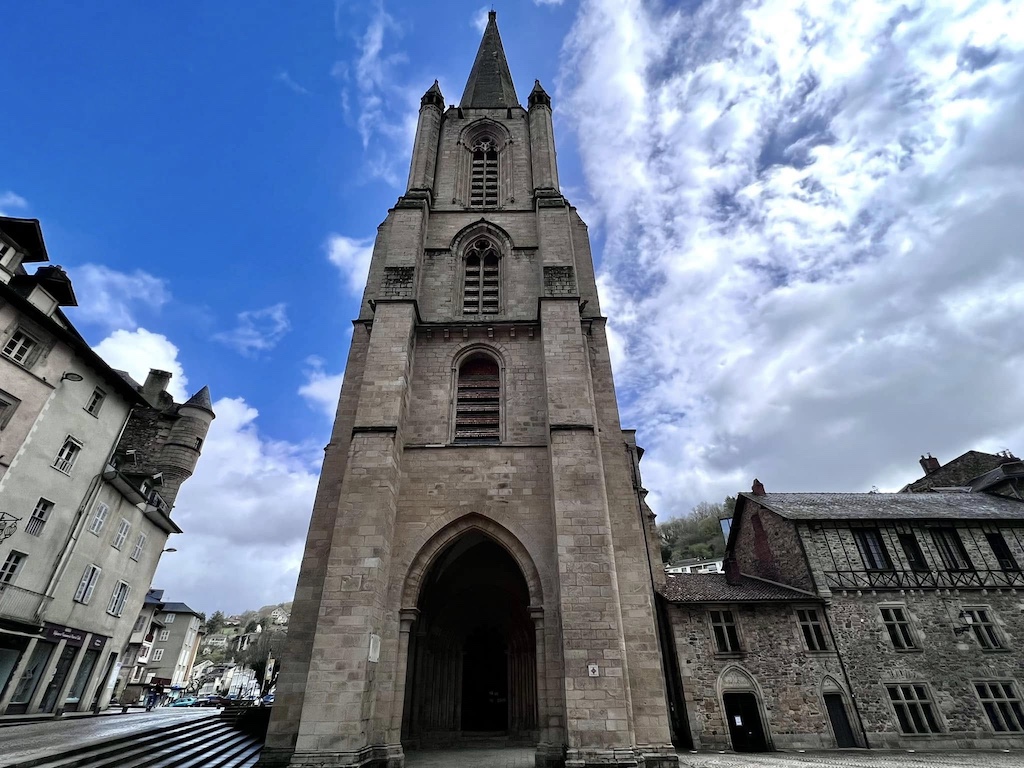
The Cathédrale Notre-Dame de Tulle is the obvious place to start. Construction began in 1103 on the site of an earlier monastery, and the building took almost two centuries to complete. The result is a mixture of Romanesque and Gothic architecture, with a particularly impressive 75-metre bell tower.
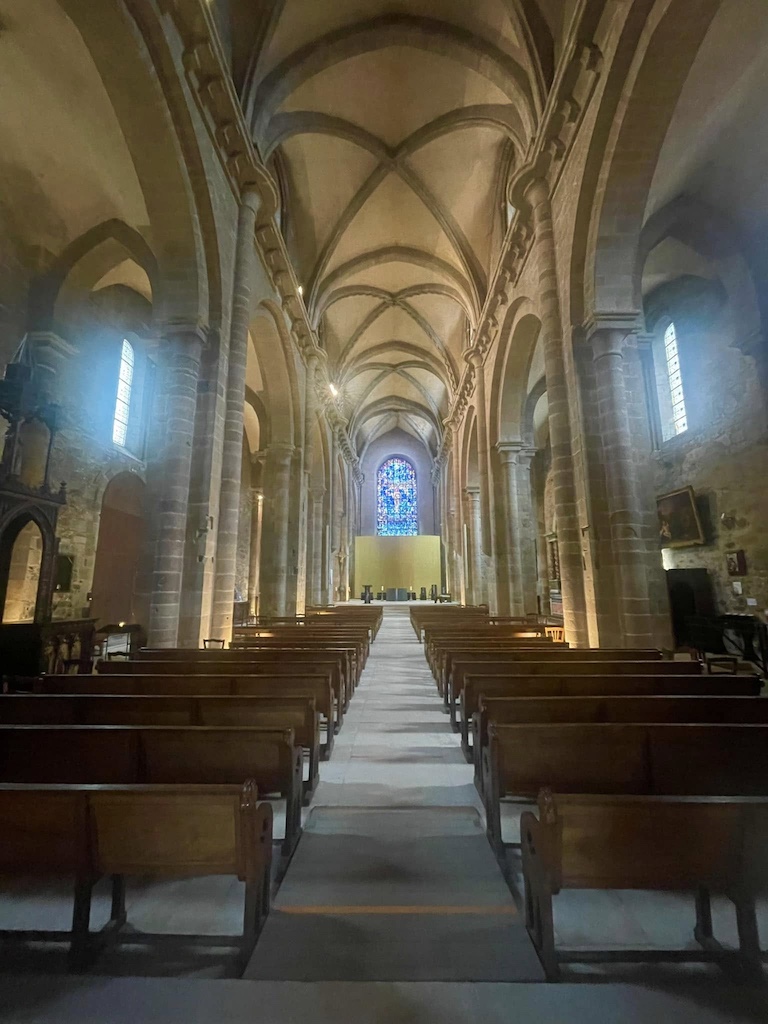
Inside, look out for the large contemporary stained-glass window, the monumental organ and the archaeological crypt. The cathedral also has an unusual connection with one of Tulle’s most important traditions: the annual Lunade procession, which dates back to a 14th-century story connected with the end of a devastating plague.
The Cloister
The 13th-century cloister is the only surviving medieval cloister in Bas-Limousin and is a particularly peaceful spot in the middle of the city. Its Gothic arcades surround what was once the heart of the Benedictine abbey.
The chapter house contains medieval wall paintings, including scenes of the Last Supper and Christ’s Entry into Jerusalem. The cloister also houses the Musée du Cloître, with collections relating to local art and history.
Check opening dates before you visit, particularly outside the summer season, as access to the cloister is seasonal.

Exploring the Old Town
The best way to see Tulle is to put the map away for a while and wander. The streets around the cathedral contain some of the city’s most interesting historic buildings.
Look out for Maison Loyac, a 16th-century house combining Gothic and Renaissance details, as well as the Porte des Mazeaux, one of the old entrances to the medieval city. Hôtel Lauthonie is another interesting building, with its distinctive towers and early Renaissance architecture.
The small Coin des Clampes is another fun discovery. The name comes from the Occitan word clampar, meaning to chat or gossip, and there is a statue of two people apparently doing just that!
Tulle’s Accordion Heritage
The accordion is an important part of the city’s identity.
Tulle became a major centre for accordion production, largely thanks to the Maugein factory, established in 1919. The city’s connection with the instrument is now explored at the Cité de l’Accordéon et des Patrimoines, which brings together the history of the accordion alongside local crafts and heritage.
It’s a good example of the sort of thing that makes Tulle interesting. This isn’t simply a city of medieval buildings: its more recent industrial and cultural history is equally important.
Tulle’s Lace Tradition
Accordion isn’t the only unusual craft associated with Tulle. The city also gave its name to Poinct de Tulle, a fine form of handmade lace.
The technique dates back centuries and became particularly associated with the town’s lace-makers. Today, the tradition is preserved through demonstrations, exhibitions and workshops, and it’s worth looking out for local examples when exploring the city.
If you enjoy traditional crafts, this is another reason to spend a little longer in Tulle rather than treating it as simply a quick stop between destinations.


Tulle and the Resistance
Tulle’s history during the Second World War is an important part of understanding the city.
On 9 June 1944, following Resistance activity in the region, German troops from the 2nd SS Panzer Division Das Reich entered Tulle. Ninety-nine men were publicly hanged and many others were deported. The events remain an important and sombre part of the city’s history.
The Champ des Martyrs commemorates those who were killed, and there are other memorials and information points around the city.
This isn’t a light-hearted sightseeing stop, but it is an important one. The history of the Resistance and the German occupation is particularly significant throughout this part of France, and visiting Tulle provides another perspective on events that are often discussed in much broader terms.
Tulle’s Industrial History
Another unusual aspect of the city’s history is its connection with arms manufacturing.
The Manufacture d’Armes de Tulle was established in the 18th century and became one of the city’s major employers. Its history continued for more than two centuries, making arms production an important part of Tulle’s industrial identity.
Today, the former industrial heritage forms part of the story told by the city’s museums and cultural attractions. It is another reminder that Tulle has always been more than a pretty historic town.

Walk Along the Corrèze
After spending time exploring the old centre, head down towards the Corrèze River.
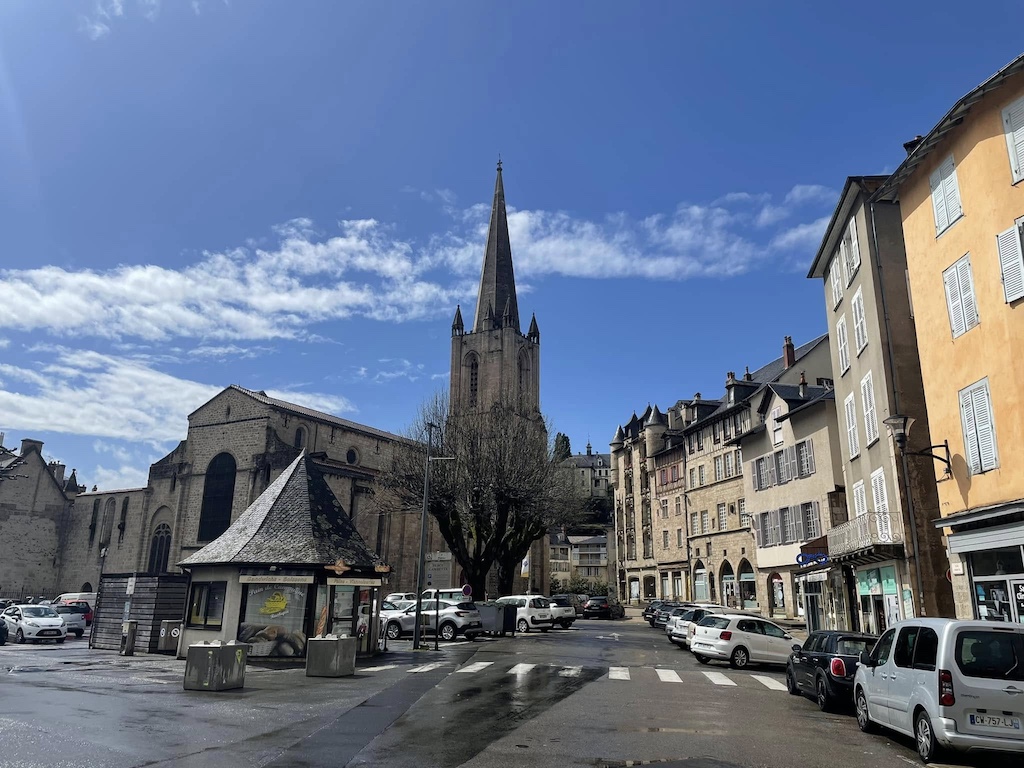
The river runs through the city and the renovated quays provide an easy place for a stroll. This is where Tulle feels less like a historic monument and more like a living regional city, with cafés, shops and everyday life alongside the water.
It’s also a good opportunity to appreciate Tulle’s unusual geography. The city is squeezed into a valley, with the surrounding hills rising quite steeply around it. This explains both its nickname and the number of stairways you’ll encounter while exploring.
Shopping and Markets
Tulle isn’t a destination for big-name shopping, and that’s part of its appeal.
The centre has independent shops, small boutiques, galleries and local businesses scattered through the historic streets. The city’s markets are also worth checking out if you’re visiting at the right time, particularly if you’re interested in local produce.
Where to Eat in Tulle
For such a relatively small city, Tulle has a good selection of restaurants and cafés.
Look for menus featuring Corrèze specialities and local produce, rather than expecting international cuisine. This is a good place to try regional dishes and cheeses, accompanied by wines from nearby areas.
The centre around the old town and cathedral is a good place to look for restaurants and to enjoy apéro time (pre-dinner drinks).
Don’t be surprised if lunch becomes the main event. This is rural France, after all.
- Les 7 – Probably my first choice for a proper dinner. French cuisine, creative presentation and consistently strong reviews.
- Le Local – A smaller, contemporary French restaurant on Quai Baluze, with a more casual feel and very good current reviews.
- Ô P’tits Oignons – A good-value option with French/healthy cooking. It’s a good choice for lunch rather than a formal evening meal.

Where to Stay in Tulle
Tulle is compact enough that staying close to the historic centre makes sense. You’ll be within walking distance of the cathedral, old town, restaurants and shops, and you’ll avoid having to use the car for every little outing.
For a weekend, I’d look for a small hotel, chambre d’hôtes or apartment in or around the centre. If you’re travelling by car, check the parking situation before booking, as some of the older streets aren’t particularly car-friendly.
- Hotel Le royal
- Brit Hotel Confort Le Limouzi Tulle
- Manoir XV Domaine De Peyrafort (B&B outside of town)
Exploring Beyond Tulle
One of the advantages of spending a weekend here is that you can combine the city with some of the surrounding countryside.
The Corrèze department is full of villages, rivers, forests and walking routes, so you don’t have to travel far to get away from the city.
If you’re continuing east, you can head towards the Plateau de Millevaches and the towns and villages of Haute-Corrèze. Alternatively, travel south towards Brive-la-Gaillarde and the Dordogne.
Tulle also works well as part of a wider Nouvelle-Aquitaine road trip, particularly if you’re exploring the less-touristy eastern side of the region.
Is Tulle Worth Visiting?
If you’re exploring Corrèze, it makes a very worthwhile stop, particularly if you enjoy history, architecture and places with a strong local identity.
Give yourself a weekend rather than an hour, and there’s plenty to discover: the cathedral and cloister, medieval streets, accordion and lace traditions, industrial heritage, riverside walks and the more difficult history of the Second World War.
Tulle isn’t polished for tourism in the way some of France’s better-known destinations are. It’s a working regional city, and I think that’s exactly why it’s worth visiting.
PIN IT FOR LATER…