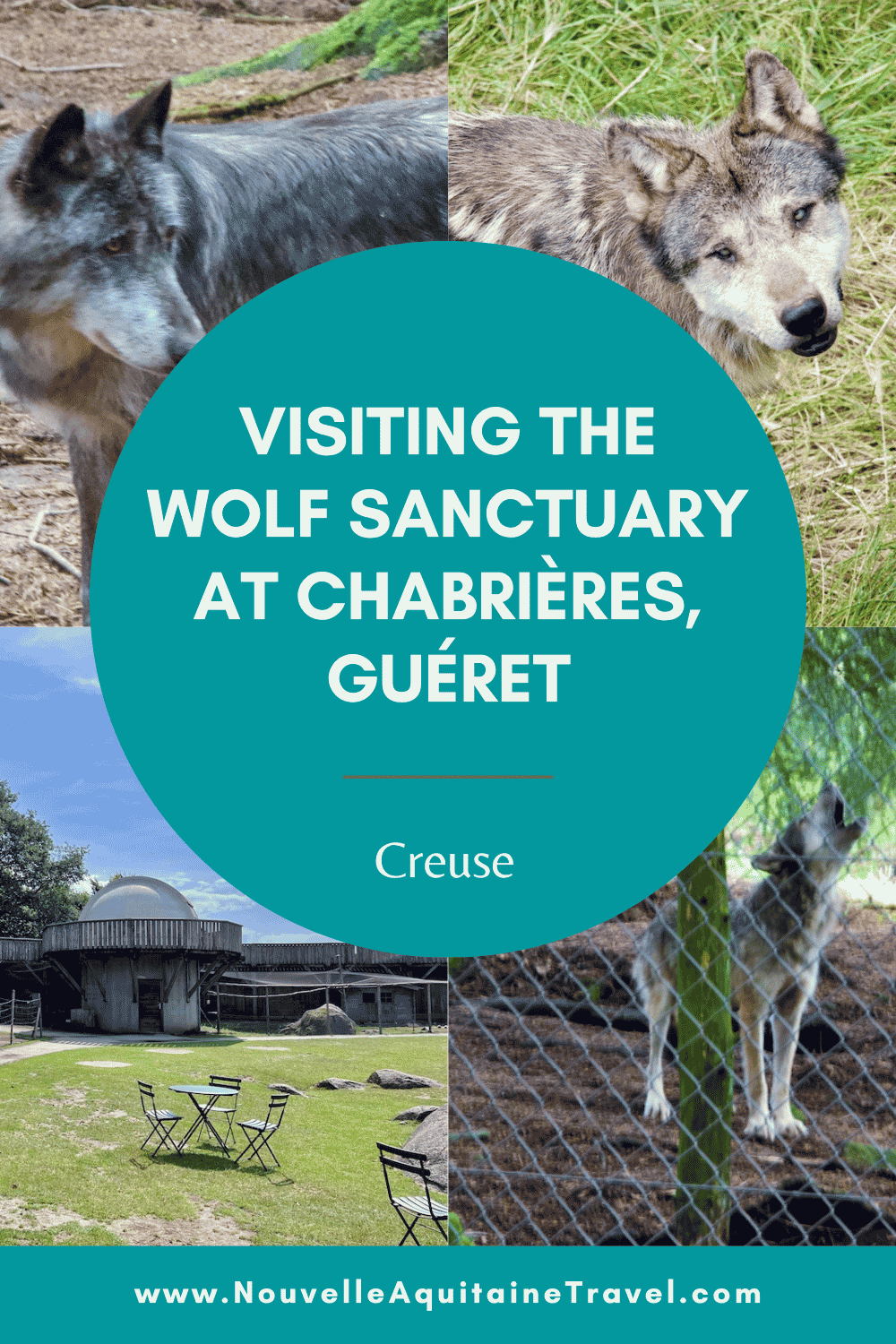

Deep in the forests of the Creuse department, the Parc Animalier des Monts de Guéret – the Wolf Sanctuary at Chabrières, is one of Nouvelle-Aquitaine’s most unique wildlife attractions. Home to several packs of wolves from around the world, the sanctuary offers visitors the chance to observe these fascinating animals in large, natural woodland enclosures while learning about their behaviour, conservation and history.
Whether you’re travelling with children, have an interest in wildlife, or are simply looking for something a little different, a visit to the sanctuary makes an excellent day out. We had a fantastic time and saw so many wolves – it’s definitely a place I want to return to!

Where is the Wolf Sanctuary at Chabrières?
The Wolf Sanctuary is located within the Chabrières Forest, just a 15-minute drive from the town of Guéret in the Creuse department. It sits in the heart of rural Nouvelle-Aquitaine, surrounded by miles of woodland, making it an ideal setting for wolves to live in spacious, natural environments.
Although it feels remote, the sanctuary is easily reached by car from Limoges in just over an hour, making it a worthwhile day trip if you’re exploring the Haute-Vienne and Creuse.
There is ample parking on site, and the attraction is well signposted from the surrounding roads.

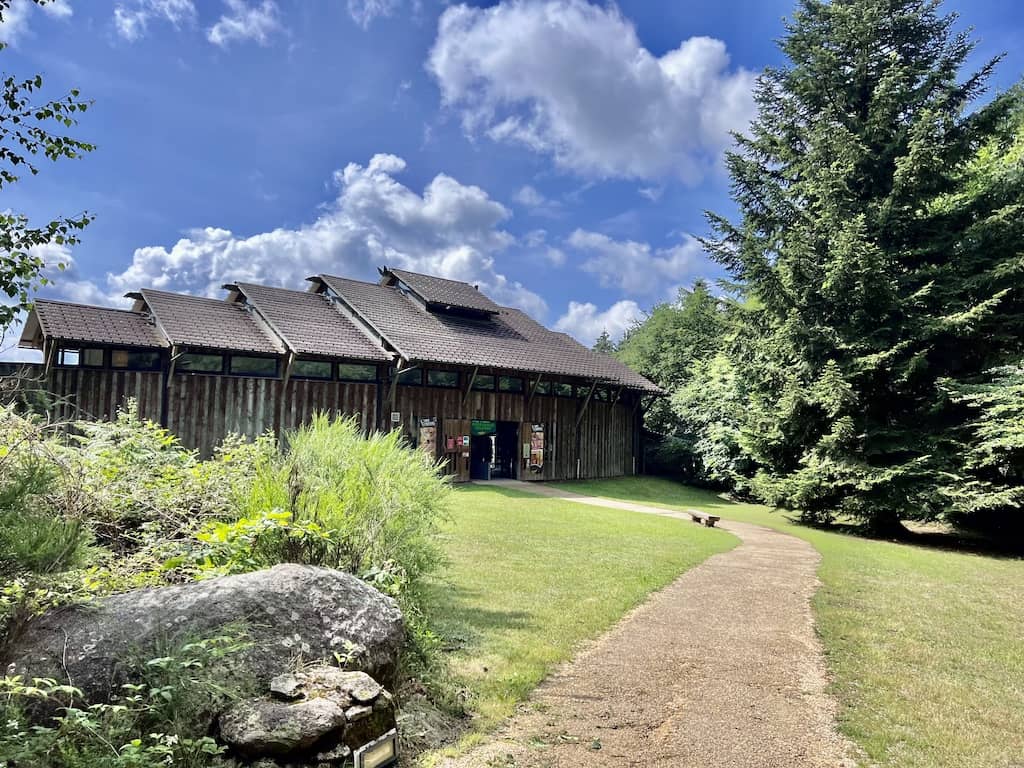
About the Sanctuary
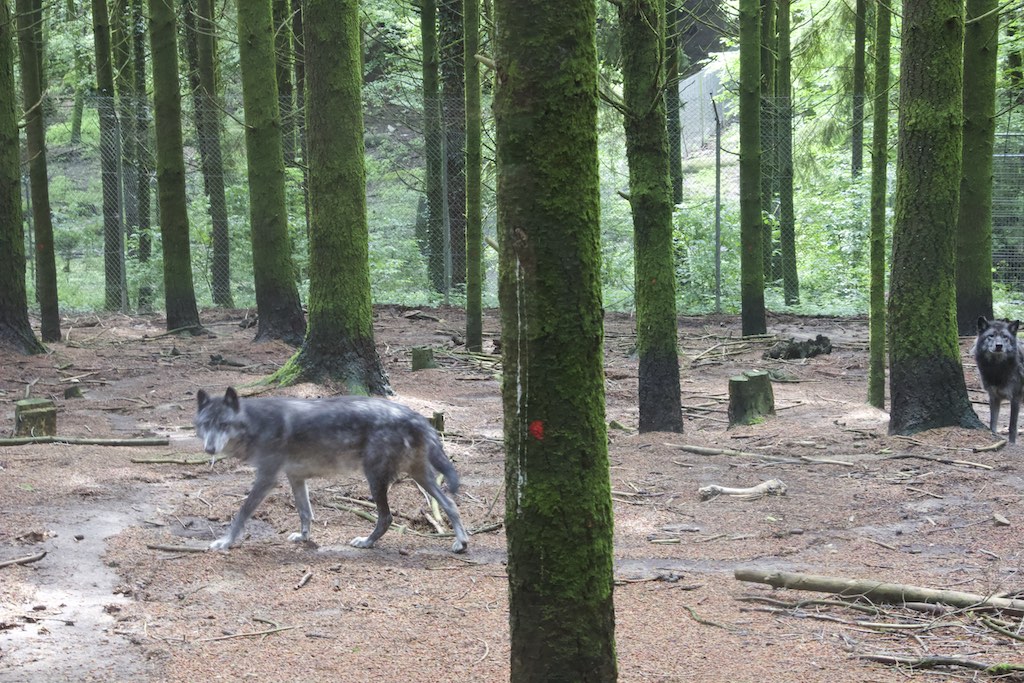
Unlike a traditional zoo, the Wolf Sanctuary has been designed to give its animals large woodland habitats that closely resemble their natural environment. The wolves have plenty of space to roam, climb, rest and interact with one another, while visitors follow walking paths that overlook the enclosures from a respectful distance.
The sanctuary is both an educational centre and a conservation facility, helping visitors understand the important role wolves play in healthy ecosystems while challenging many of the myths that have surrounded them for centuries.
Interpretive displays throughout the park explain wolf behaviour, social structure, communication and the history of wolves in Europe.
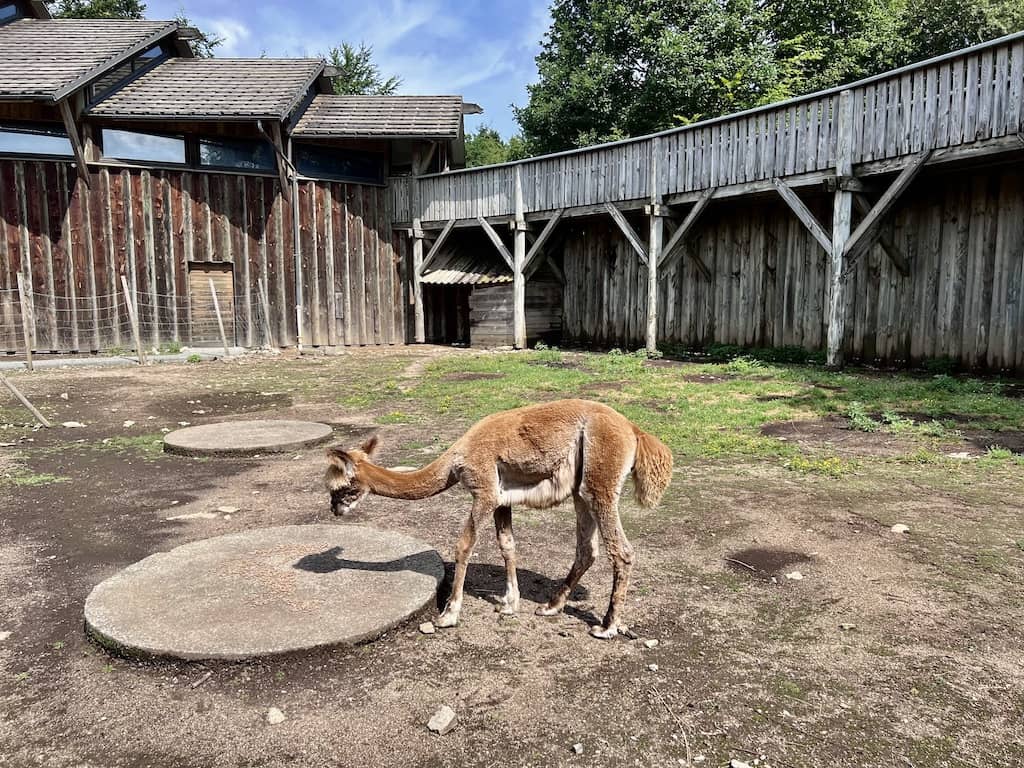
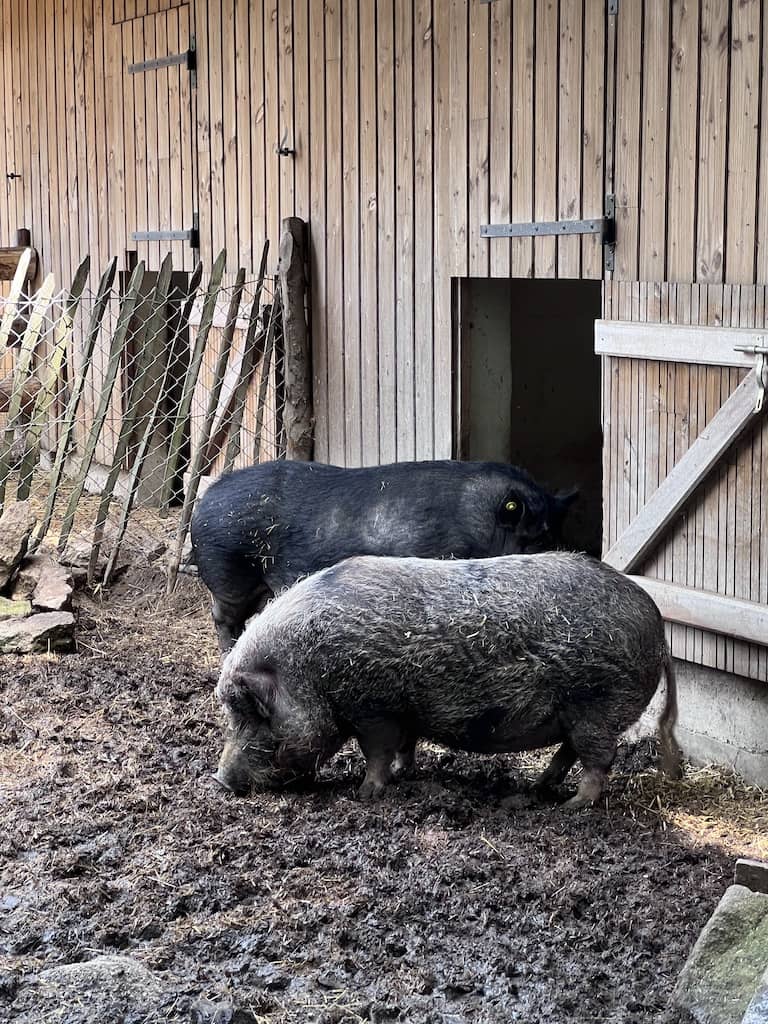
There is also a mini-farm designed for kids, where they can see farm animals up close. Many of these are in the visitor centre or nearby the picnic areas, perfect to keep the kids occupied!

The Wolves
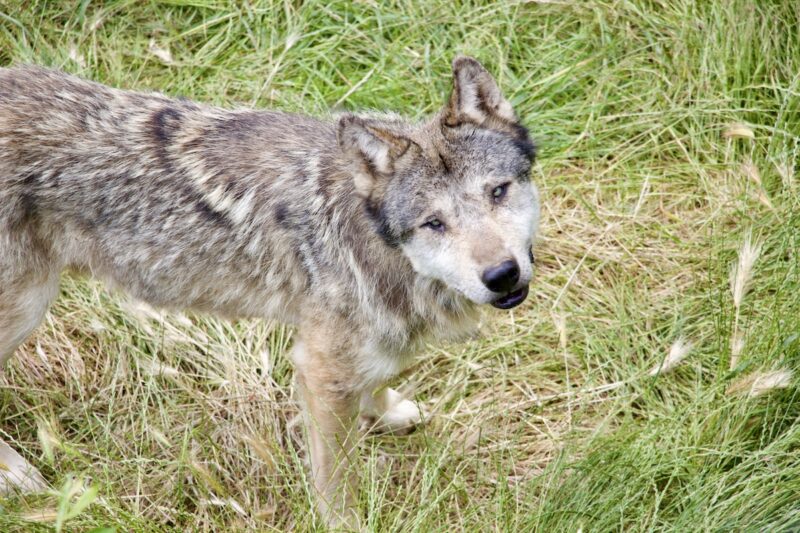
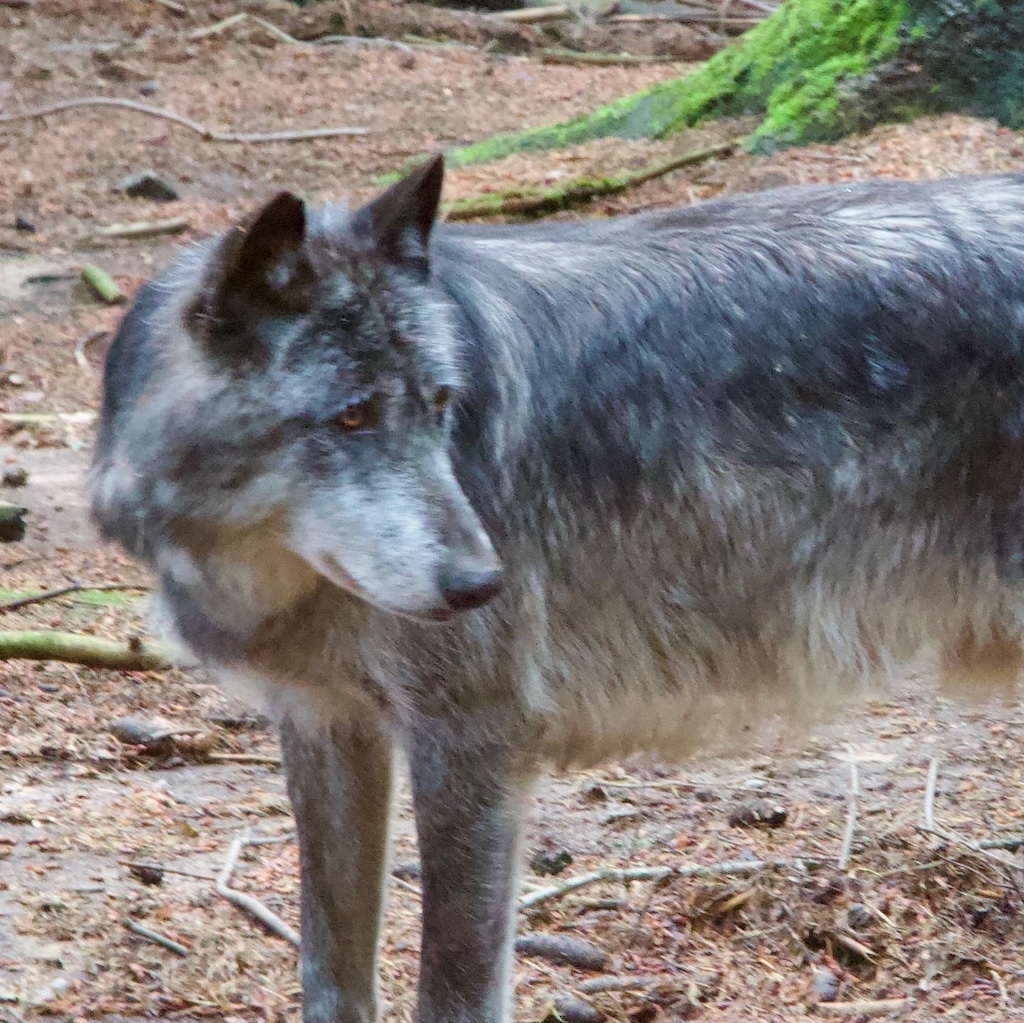
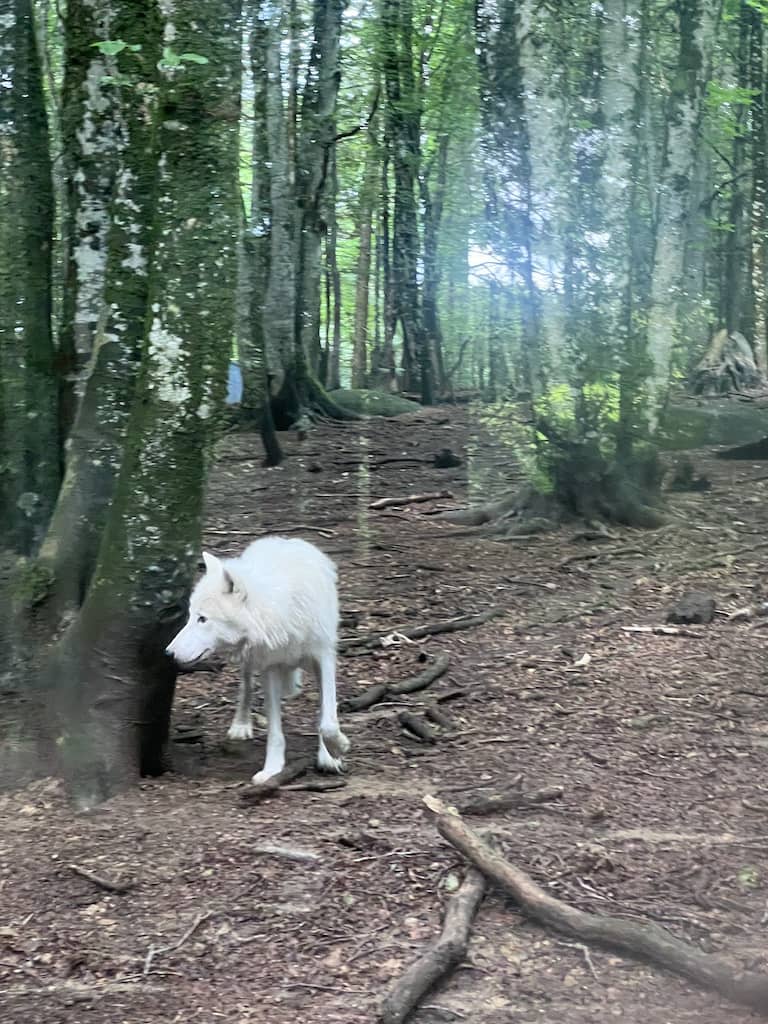
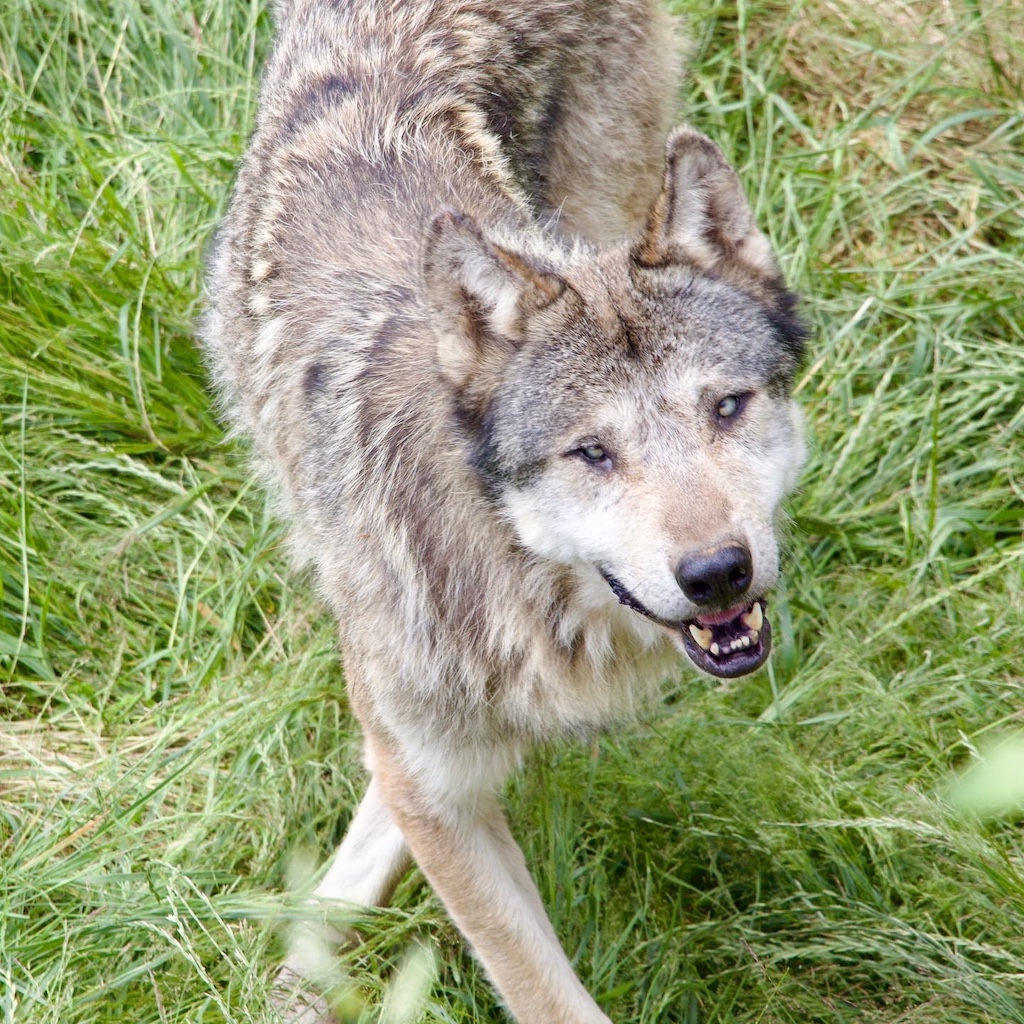
One of the highlights of visiting Chabrières is seeing different subspecies of wolves from around the world.
Depending on the season and the sanctuary’s breeding programme, visitors may encounter:
- European grey wolves
- Canadian wolves
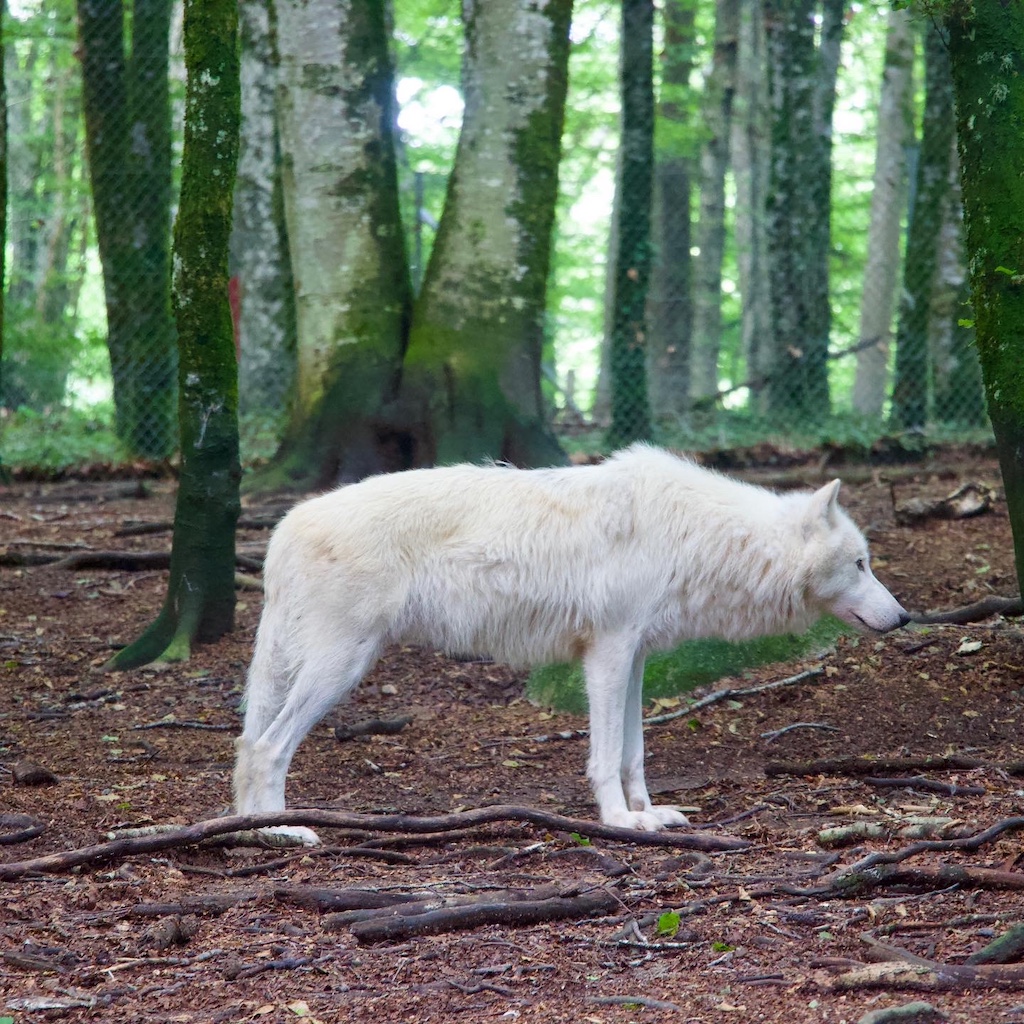
- Arctic wolves
Each enclosure has information boards explaining where the wolves originate, their habitats, physical characteristics and conservation status.
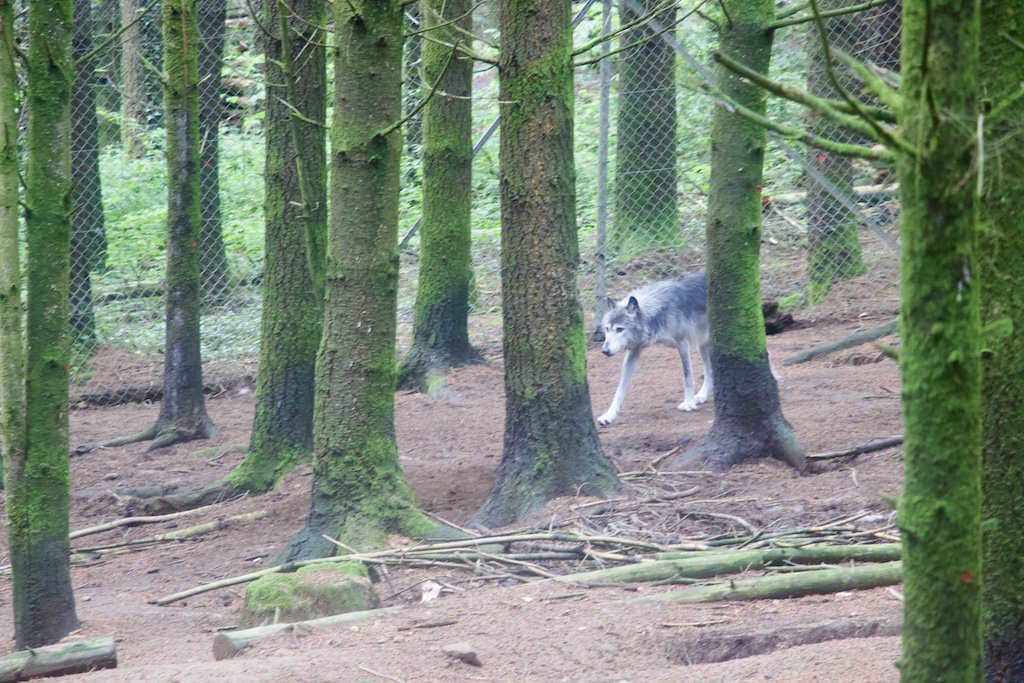
Because the animals live in large natural environments, sightings are never guaranteed. Sometimes wolves are active and easily visible, while at other times they may be resting deeper within the woodland. Bringing a pair of binoculars can enhance your visit, particularly during quieter times of day.

Walking Around the Park
The sanctuary is spread across several hectares of forest, with well-maintained walking trails linking the different viewing areas.
Allow around two to three hours to explore the park comfortably. The paths are generally easy to follow, although there are a few gentle hills, so comfortable footwear is recommended.
As you walk between the enclosures, you’ll also enjoy the peaceful setting of the Chabrières Forest itself. Even without the wolves, it’s a pleasant place for a stroll.
Several picnic areas are available, making it easy to bring lunch and enjoy a relaxed day in nature.

Educational Activities
The Wolf Sanctuary places a strong emphasis on education, making it particularly popular with families and school groups.
Information panels explain how wolves communicate through body language, vocalisations and scent marking, while also describing the structure of a typical wolf pack.
Visitors can learn about hunting behaviour, seasonal changes and the important role apex predators play in maintaining balanced ecosystems.
Throughout the year, the sanctuary also hosts educational talks and feeding demonstrations, giving visitors the opportunity to learn more from the experienced animal keepers. These presentations can vary by season, so it’s worth checking the daily programme when you arrive.


Visiting with Children
The Wolf Sanctuary is an excellent attraction for families. Children usually enjoy trying to spot the wolves hidden among the trees, and the educational displays are presented in an engaging and accessible way.
Unlike some larger wildlife parks, the sanctuary is compact enough to explore without becoming overwhelming, making it suitable for younger visitors.
If you’re travelling with children, allow plenty of time between the viewing areas, as many families find themselves waiting quietly in the hope of seeing the wolves become active.
And as mentioned, the mini-farm at the start of the trails is a great place to concentrate on with the little ones.
Practical Tips for Your Visit
The best times to visit are often in the morning or later in the afternoon, when the wolves can be more active. During hot summer afternoons, they may spend more time resting in shaded areas.
Wear comfortable shoes, as much of the visit involves walking along forest paths. In cooler months, bringing an extra layer is also advisable, as the woodland can feel noticeably cooler than surrounding towns.
Photography is encouraged, although a zoom lens will help if the wolves are further from the viewing areas.
The sanctuary also has a small gift shop selling books, souvenirs and educational material about wolves and local wildlife.

The Forest of Chabrières
The surrounding Chabrières Forest is one of the largest forests in the Creuse and offers several walking trails beyond the sanctuary itself.
If you have extra time, it’s worth exploring the woodland after your visit. The forest is home to a variety of wildlife, including deer, wild boar and numerous bird species.
During autumn, the forest becomes particularly attractive as the leaves change colour, making it a popular destination for walkers and photographers.
PIN IT FOR LATER…