

The Nouvelle-Aquitaine region is rich in history and stories from previous centuries. Religious pilgrimage routes, castles, roman ruins, and medieval walled cities enrich the region for visitors and tourists. To pique your interest, here are 5 amazing historical sites to visit in Nouvelle-Aquitaine to add to your plans.
In no particular order…
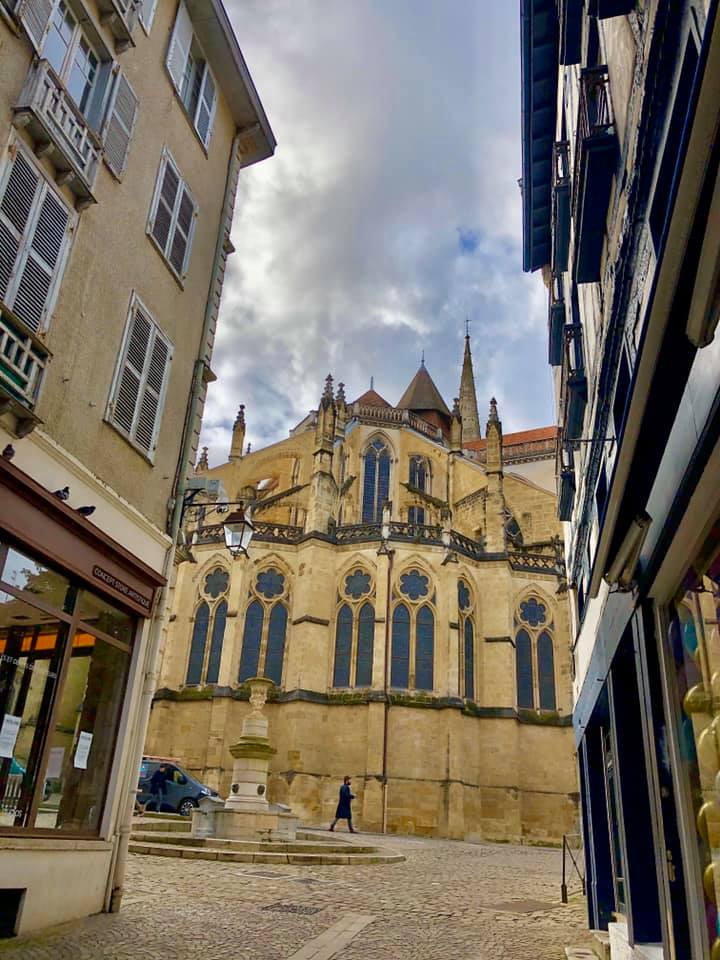
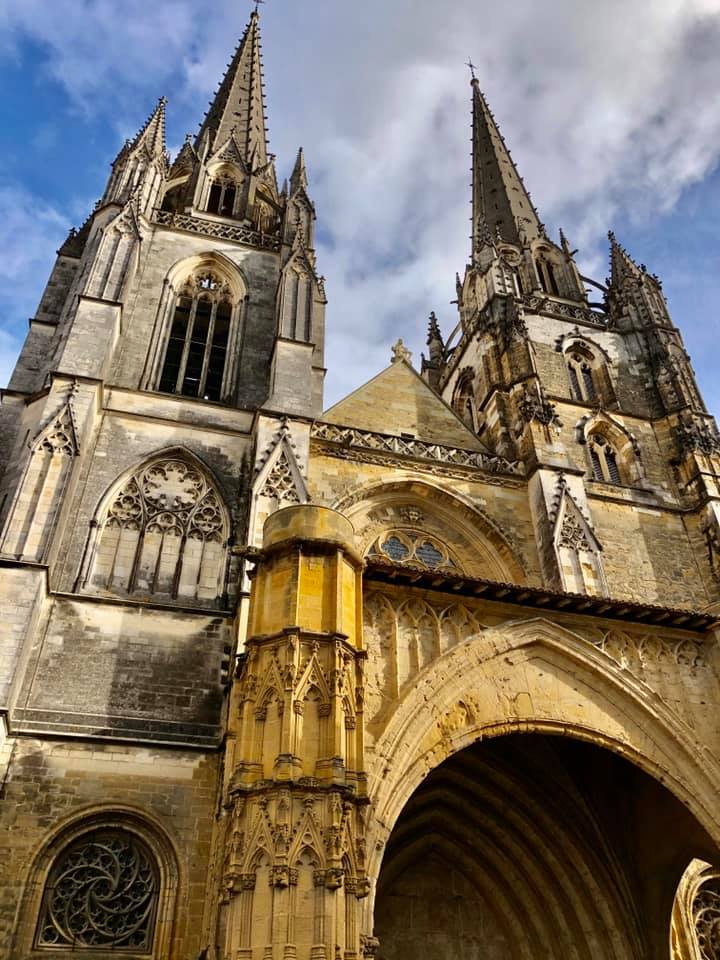
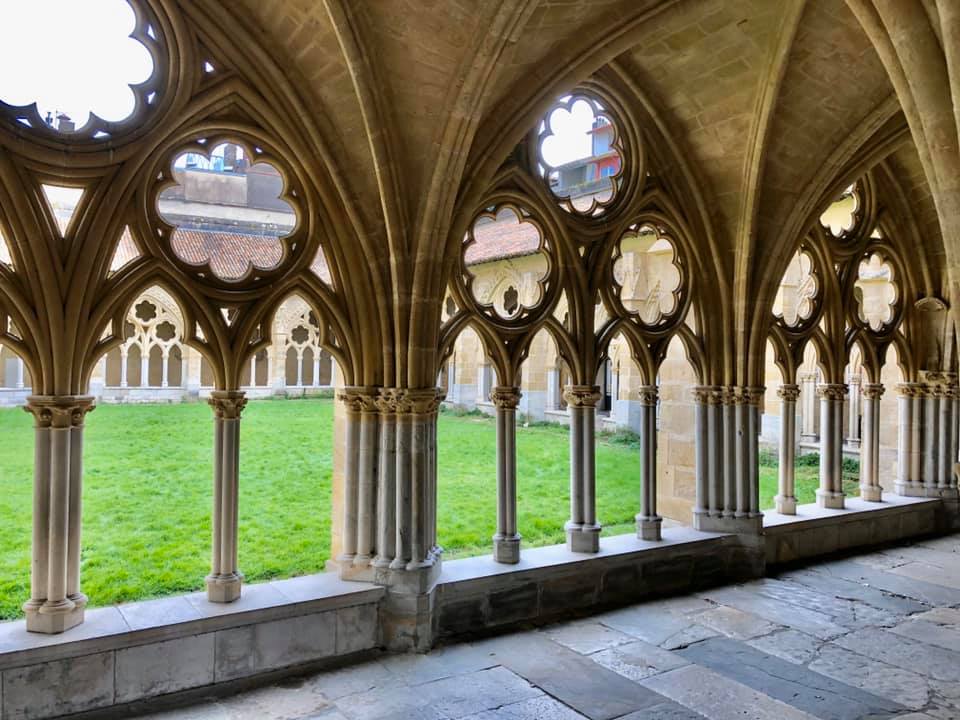
Bayonne Cathedral, Pyrénées-Atlantiques
The Cathédrale Sainte-Marie de Bayonne is a gothic gem that sits in the centre of Bayonne’s old town. Like many churches in France, it sits on the site of previous religious structures. The Bayonne Cathedral was built between the 13th-15th centuries, with the spires being completed in the 19th century. The original Romanesque church was destroyed in two major fires in 1258 and 1310. The Bayonne Cathedral holds special relics that once belonged to Saint Leo of Bayonne. Saint Leo was the 9th century bishop and evangeliser of the Basque Country.
The Bayonne Cathedral was added to the UNESCO World Heritage Register in 1998, and is part of the Routes of Santiago de Compostela in France.

Oradour-sur-Glane, Haute-Vienne
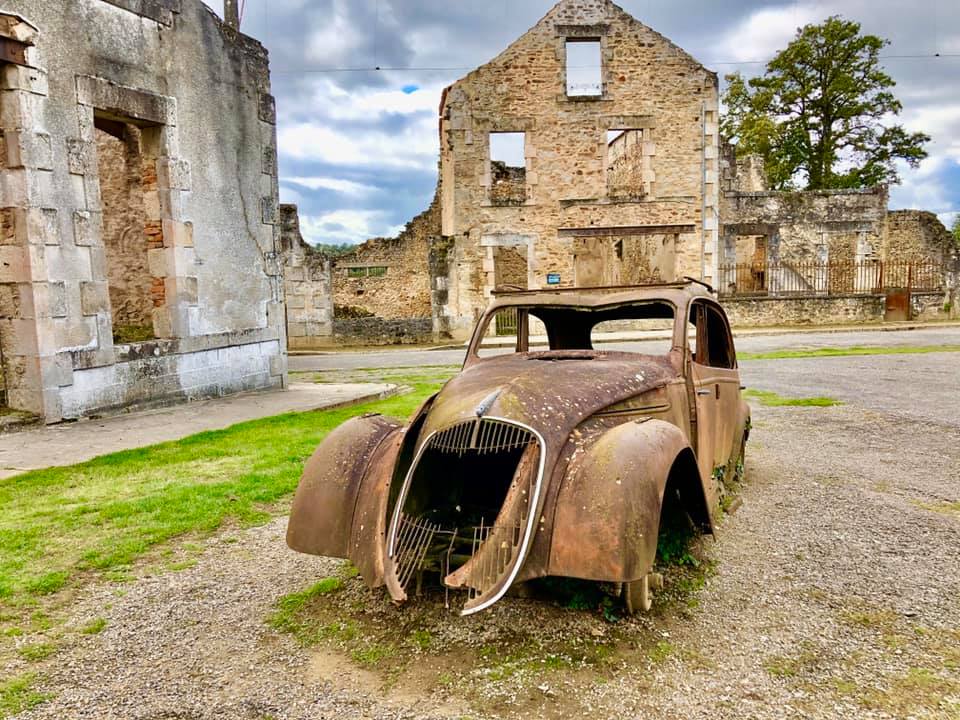
The village of Oradour-sur-Glane was ransacked by Nazi troops in 1944. The Waffen-SS company killed all 642 of the town’s inhabitants, including women and children. The decimated village was kept and transformed into a memorial, and a new Oradour built a couple of kilometres down the road. This poignant memorial really brings the horrors of war to life. As sorrowful as it is to visit, these tangible reminders of war are needed to ensure we don’t go down that path again.
Oradour is one of the more sombre historical sites in Nouvelle-Aquitaine, and all the more important for it.

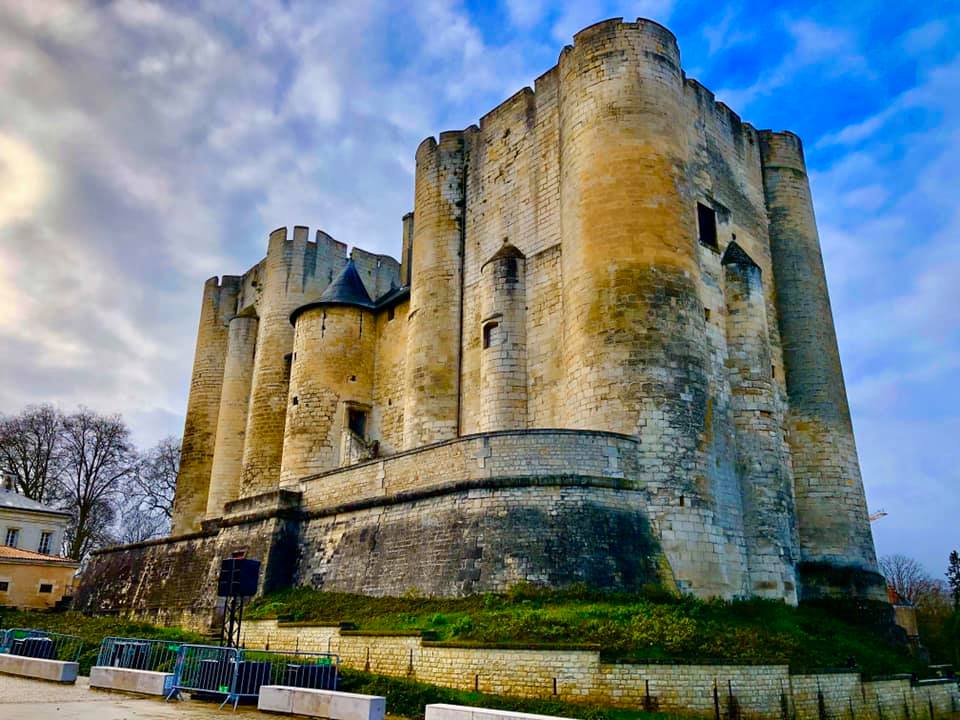
Le Donjon de Niort, Deux-Sèvres
I’m a huge fan of the city of Niort – there is just a really nice vibe about the place. I’ve added the Donjon (dungeon) of Niort to this list because of its impact as a central feature in Niort. Comprised of two medieval donjons, which are the remaining keeps from the original city fortifications; plus a 15th century structure connecting the two. The fortification was started by Henry II Plantagenet; and finished by his son Richard the Lionheart. The position of the Donjon on the Sèvres River has power and gravitas – it makes for a beautiful centrepiece to the city. There is a simple museum of Poitevin costumes and furniture inside.
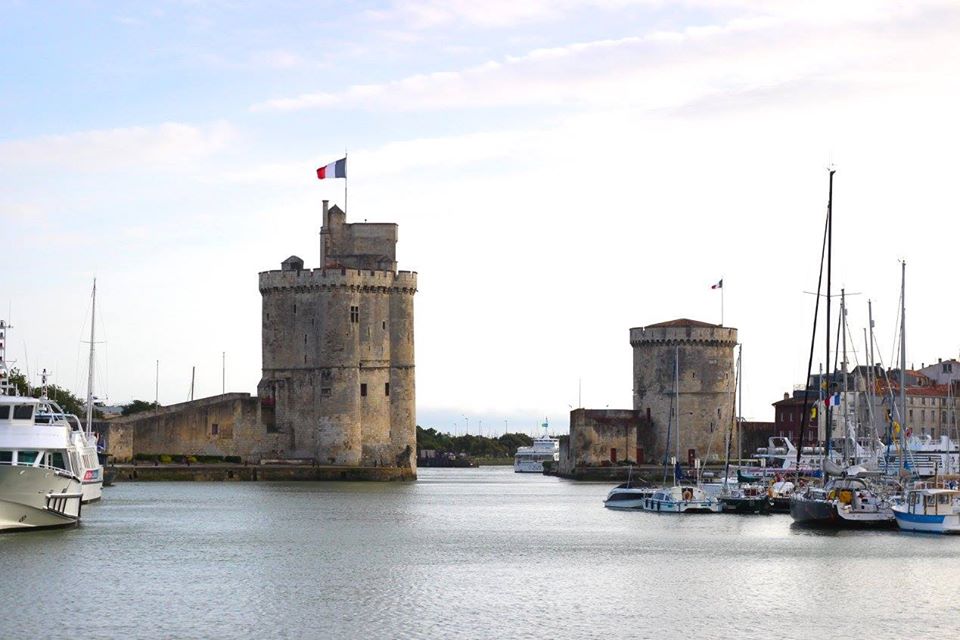
Towers of La Rochelle, Charente-Maritime
As historical sites go, the Towers of La Rochelle are hugely memorable. There are three towers in total; but the two straddling the entrance to La Rochelle Harbour are the oldest and most imposing. Saint-Nicholas Tower is on the left, and Chain Tower on the right. They were built in the 14th century, and designed to protect the harbour. Used as a prison between the 16-18th centuries; the towers then lay empty until their restoration in the 20th century.
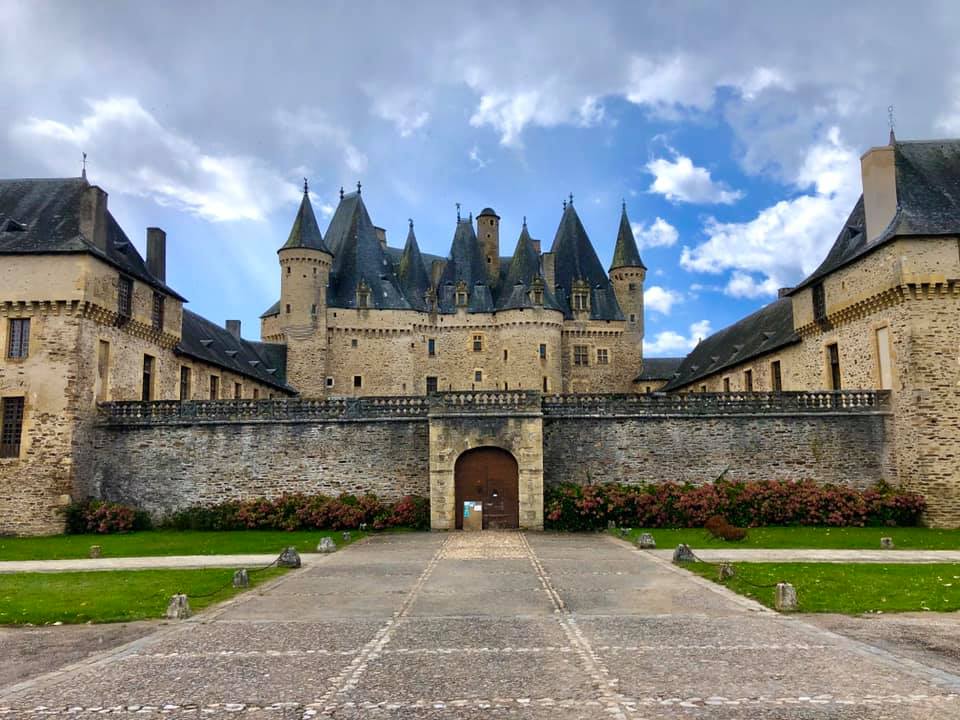
Château de Jumilhac, Dordogne
The Château of Jumilhac has the classic pointy turrets out of fairytales, and the grandeur too. It is, in fact, a castle that has been heavily augmented across the centuries, with the central 15th century section in the centre being the oldest. The side wings were added later. Although it is privately owned, Château de Jumilhac is open to the public for tours of the house and beautiful grounds.
Jumilhac-le-Grand is a commune in the northern Dordogne, near the border with the Haute-Vienne.
Visiting the Dordogne department of Nouvelle-Aquitaine? Don’t miss the pilgrimage town of Brantôme!
PIN IT FOR LATER…



All content © Hannah Henderson or listed guest author, and may not be used without permission (sharing this blog post is fine, though!).


We are planning to be the first time in Nouvelle-Aquitaine on our way back from Portugal actually. Those spots are very interesting, especially Oradour-sur-Glane, as a symbol for the horror of War. But now in times of Corona, we had to see what is possible. Maybe we had to come back, so we will. 😉
We look forward to welcoming you in this part of the world!