

There are many delightful foodie and drinkie treats that originate in the Nouvelle-Aquitaine. Regional specialities vary from area to area, and include things like the delicious Gateau Basque, Chèvre à la Coupe cheese, and Echiré butter. By far one of my favourite regional delicacies is the cognac by-product, Pineau des Charentes.

What is Pineau des Charentes
Pineau is a fortified wine from the Cognac region of Charente. It is relatively popular across France, but not really very well known outside of the country.
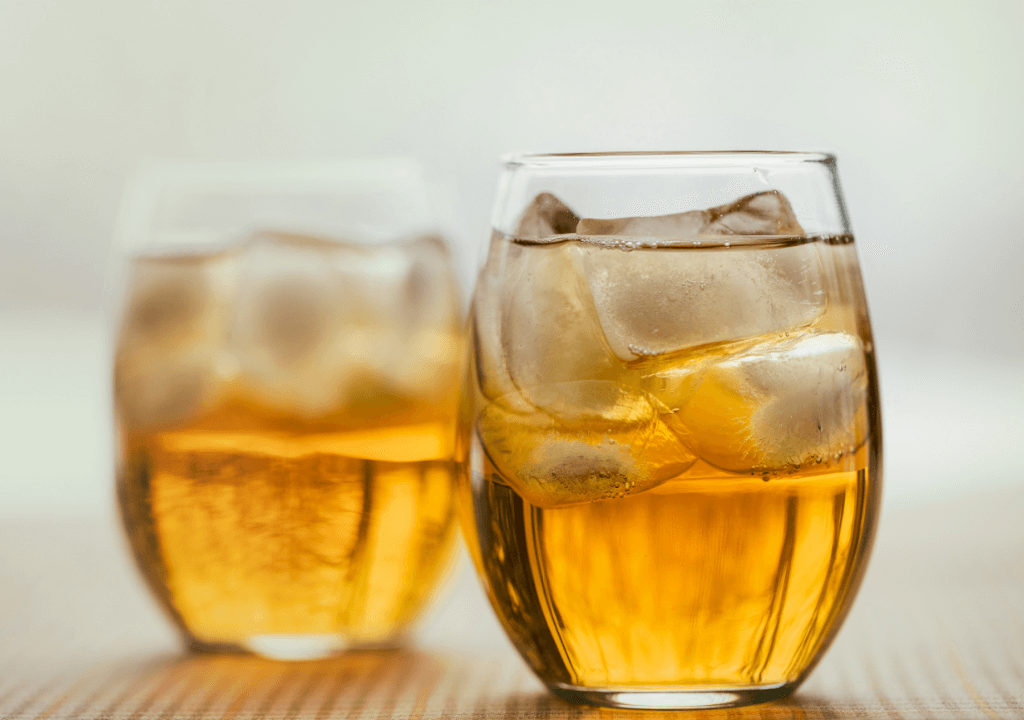
Served as a digestif traditionally, with a little ice – Pineau is fresher and juicier than cognac, and is akin to Macvin and Pommeau. Pineau is a favourite for bathtub liquor enthusiasts, who like to make batches of the stuff from their backyard vineyards.
How is Pineau des Charentes made?
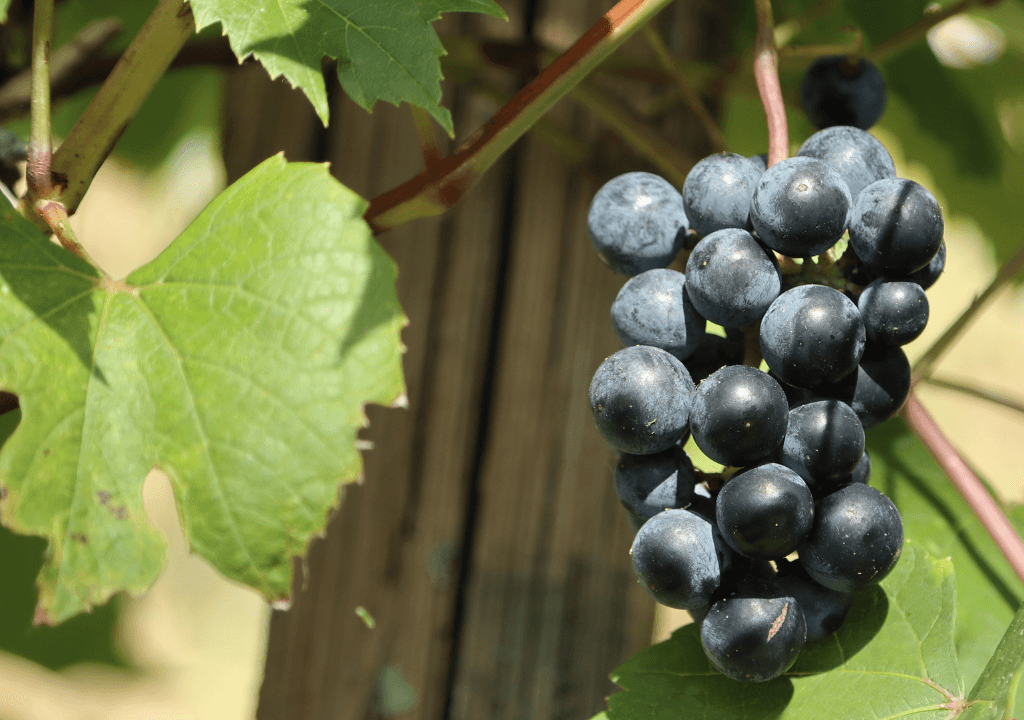
Legend has it that Pineau was discovered by accident in the 16th century. When a winemaker poured fresh grape must (juice with the skins, seeds, and stems of the fruit) into a barrel that already had eau de vie inside. Fast forward a couple of years and the winemaker discovered the most fortuitous mistake actually tasted delicious.
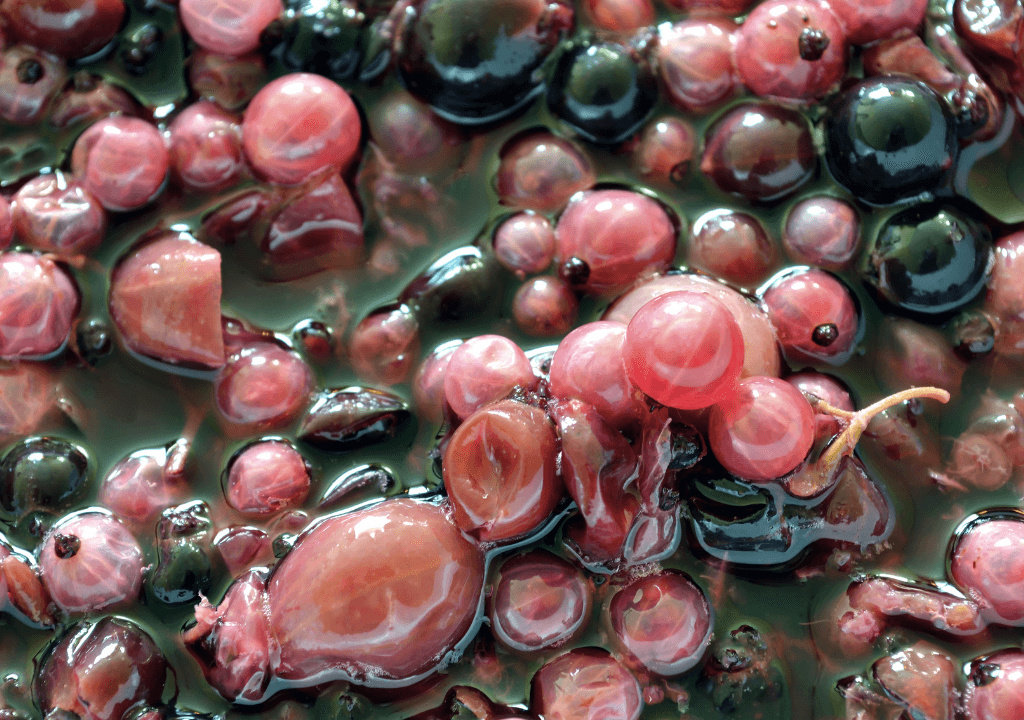
Eau de vie is a clear fruit brandy made from grapes, fermented and double distilled. It is the alcohol barrelled to create cognac. As a result, Pineau is less intense than cognac, more fruity, and less alcoholic. But don’t underestimate it, Pineau des Charentes can still pack a punch.
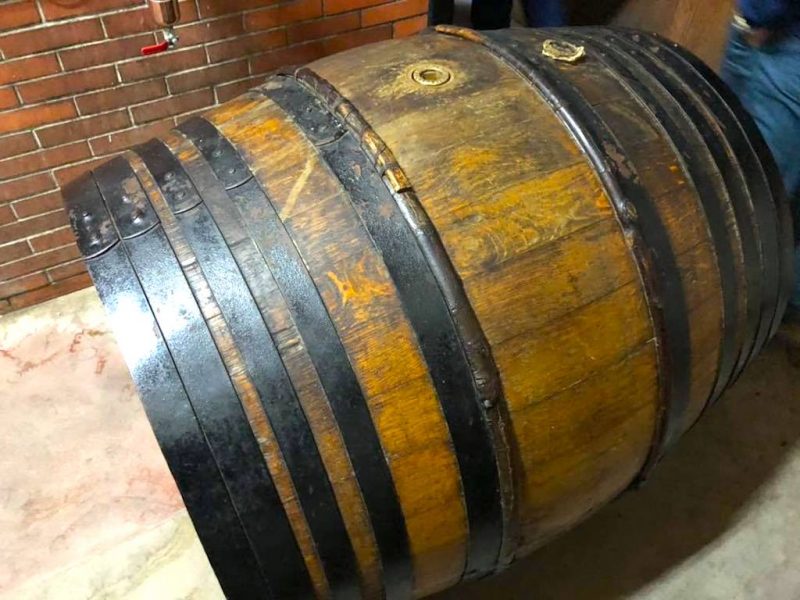
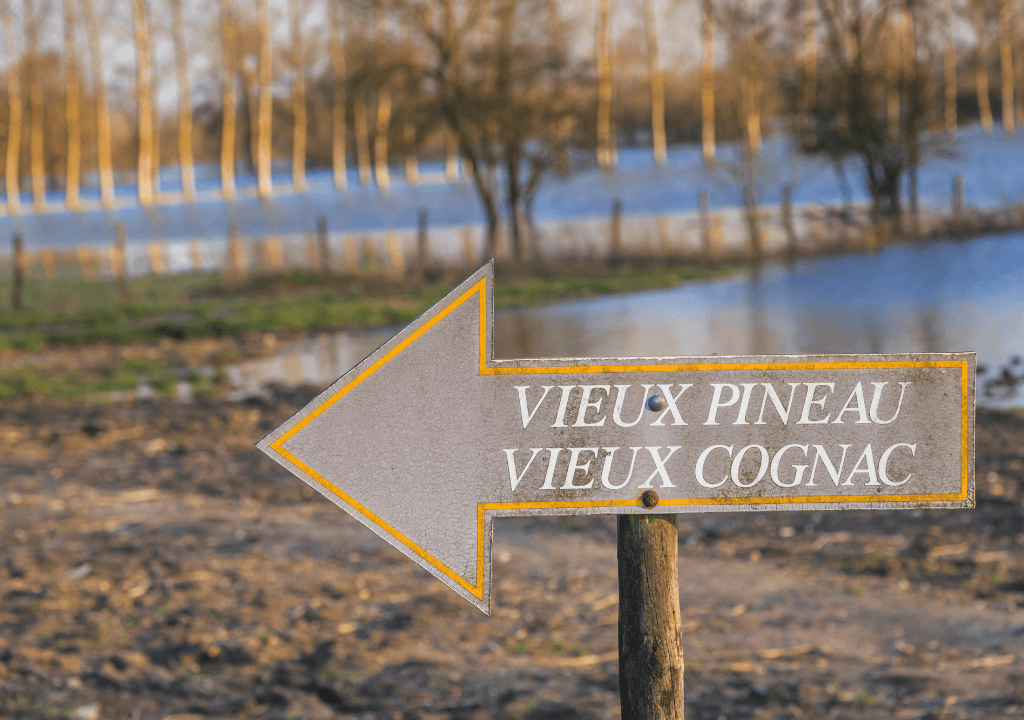
Pineau des Charentes comes in white and rosé varieties. Once the juice is mixed with the eau de vie, it is aged for around 1-2 years, followed by 8+ months in an oak barrel. Old Pineau (Vieux) is aged in barrels for at least 5 years, and over 10 years for the speciality Très Vieux.
Homemade ‘Pineau’
Homemade Pineau isn’t strictly Pineau, as it is illegal to sell the raw eau de vie. Instead, people tend to use fruit preserving alcohol (alcool de fruits) or vodka, or a mix of dry wine and brandy.
Often harvesting their backyard vines, crushing them into must, adding 30% of fruit liquor and bottling in plastic barrels for 1 year. It’s important to harvest the grapes and make the ‘bathtub Pineau’ on the same day.
Where to get the best Pineau
Much like Cognac, choosing the Pineau for you depends on your tastes. The young pineaux are fruity and lively, and make a refreshing aperitif. The older ones are richer and sweeter, with more developed acidic notes.
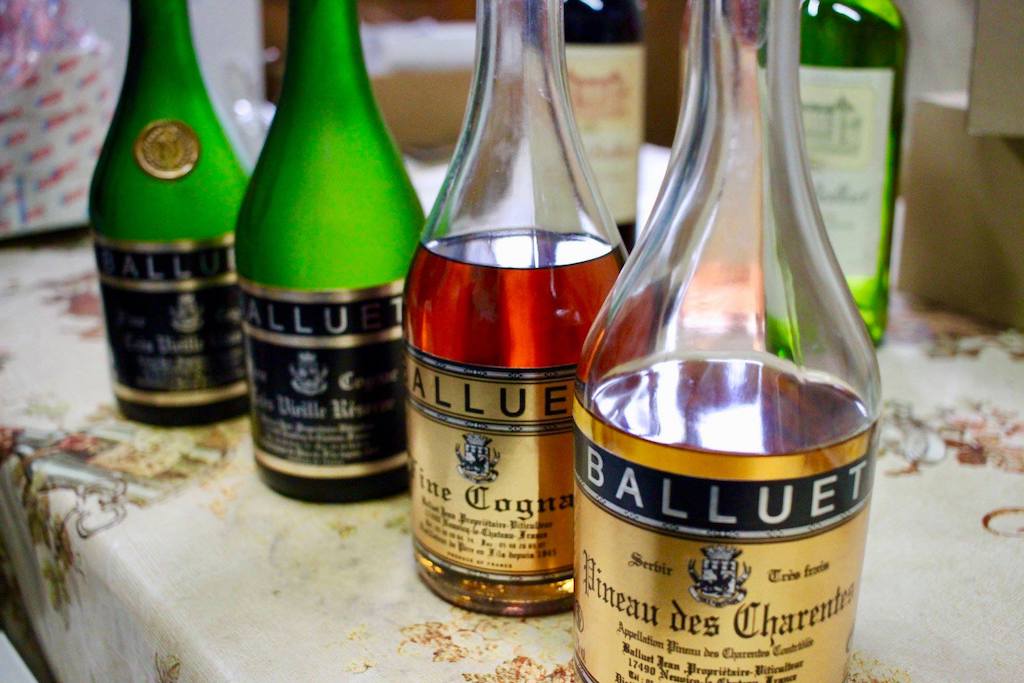
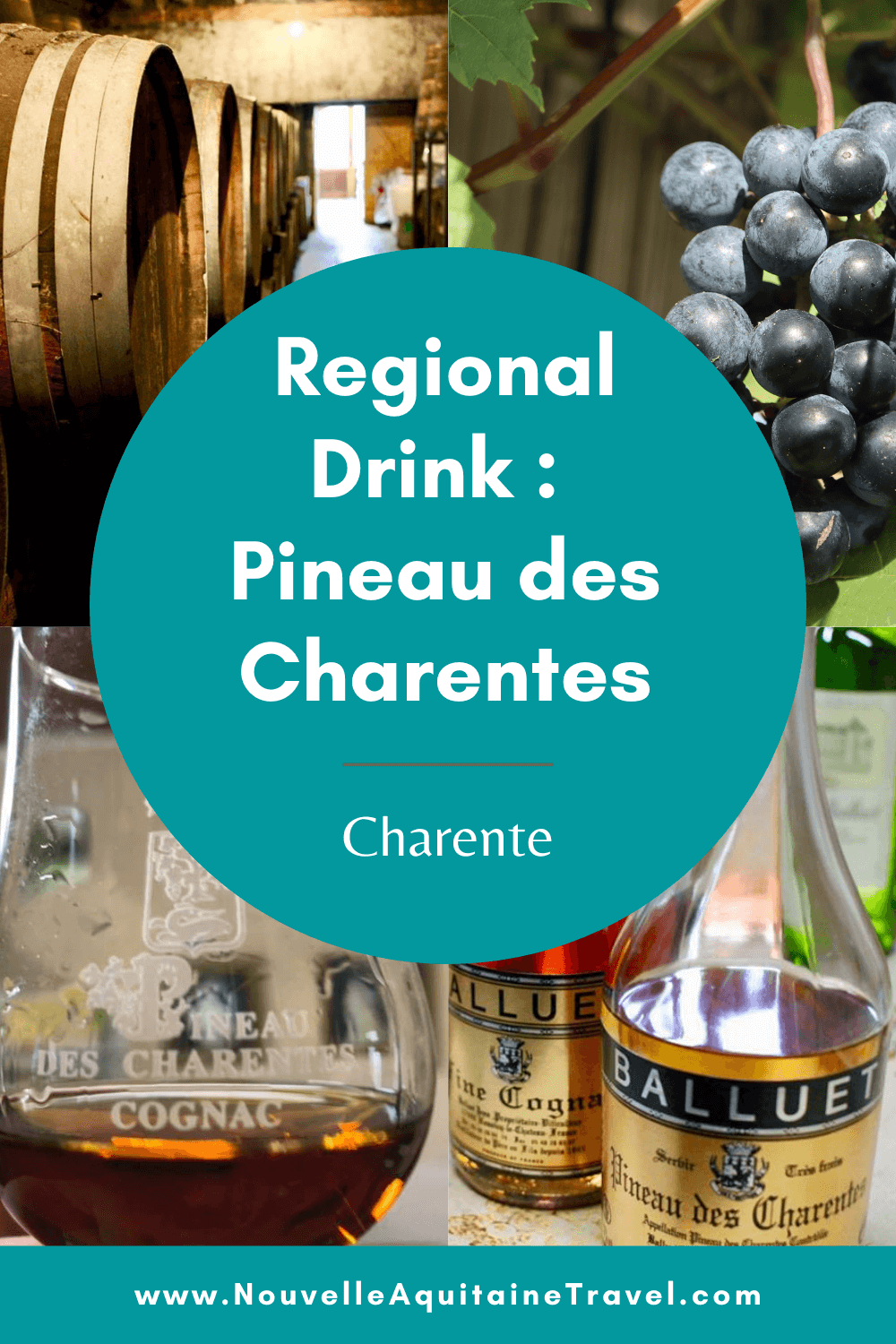
A personal favourite of mine is the boutique distillery, Balluet, in Neuvicq-le-Château. Alongside some exceptional cognacs too.




I’m not a big wine drinker so I haven’t heard of this wine before. But I do like to try out things that are specific to certain parts of the countries that I visit so I would be interested in trying it out!
So interesting! Had no idea that people make their own, might have to try that!
Very Interesting reading about Pineau, I don’t think I’ve ever drunk it even though I lived in the Sud Ouest 🙂 ca me donne envie de revenir en France juste pour le deguster.
I’ve never heard of pineau before! It would be amazing to try a homemade one, especially a young pineau 🙂
You’d love it – such a tasty aperitif!
Very interesting post! I love it! I’ve never heard of pineau before. I hope I will have the opportunity to try it.
We live in The Charente – and have got used to the method of payment for ‘swapsies’. Doing someone a good turn – Offering manure for free, usually means it’s swapped for a bottle of homemade Pineau… an excellent swap I’d say. If you’ve not tried it, please sip it as it’ll blow your socks off !