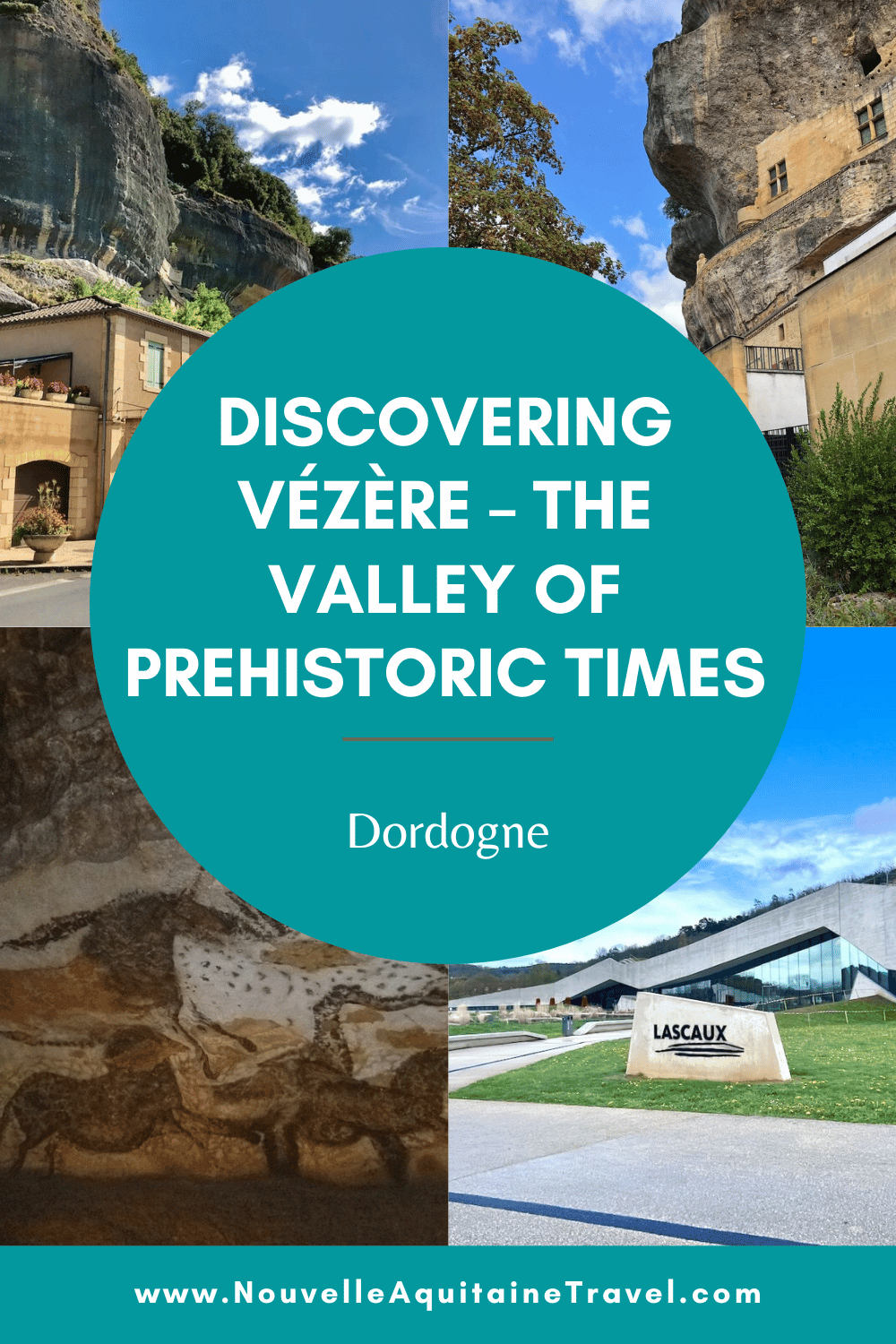
In the Dordogne department of France, the Vézère Valley is a treasure trove of prehistoric wonders. It is renowned for its ancient caves, rock shelters, and captivating rock art. This UNESCO World Heritage Site offers an unparalleled glimpse into early human life, making it a must-visit destination for history and archaeology enthusiasts.
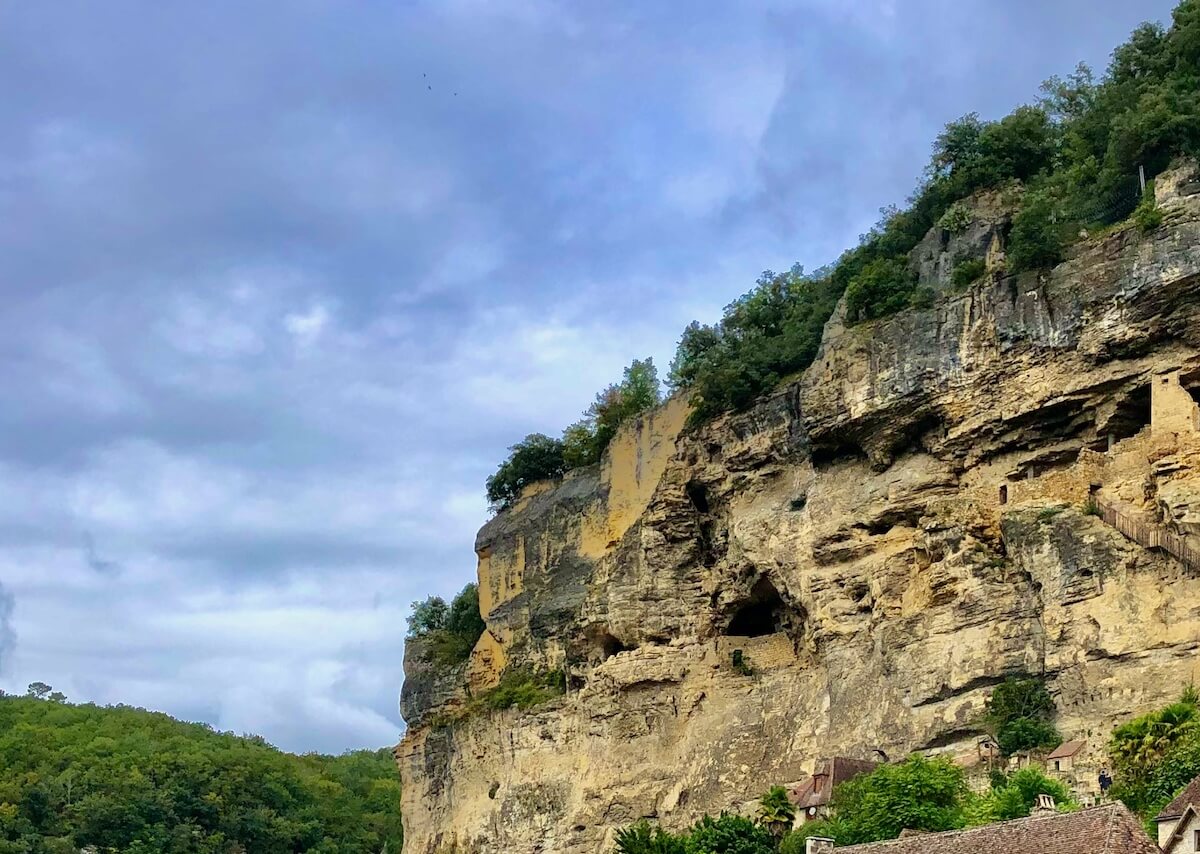
Where is the Vézère Valley?
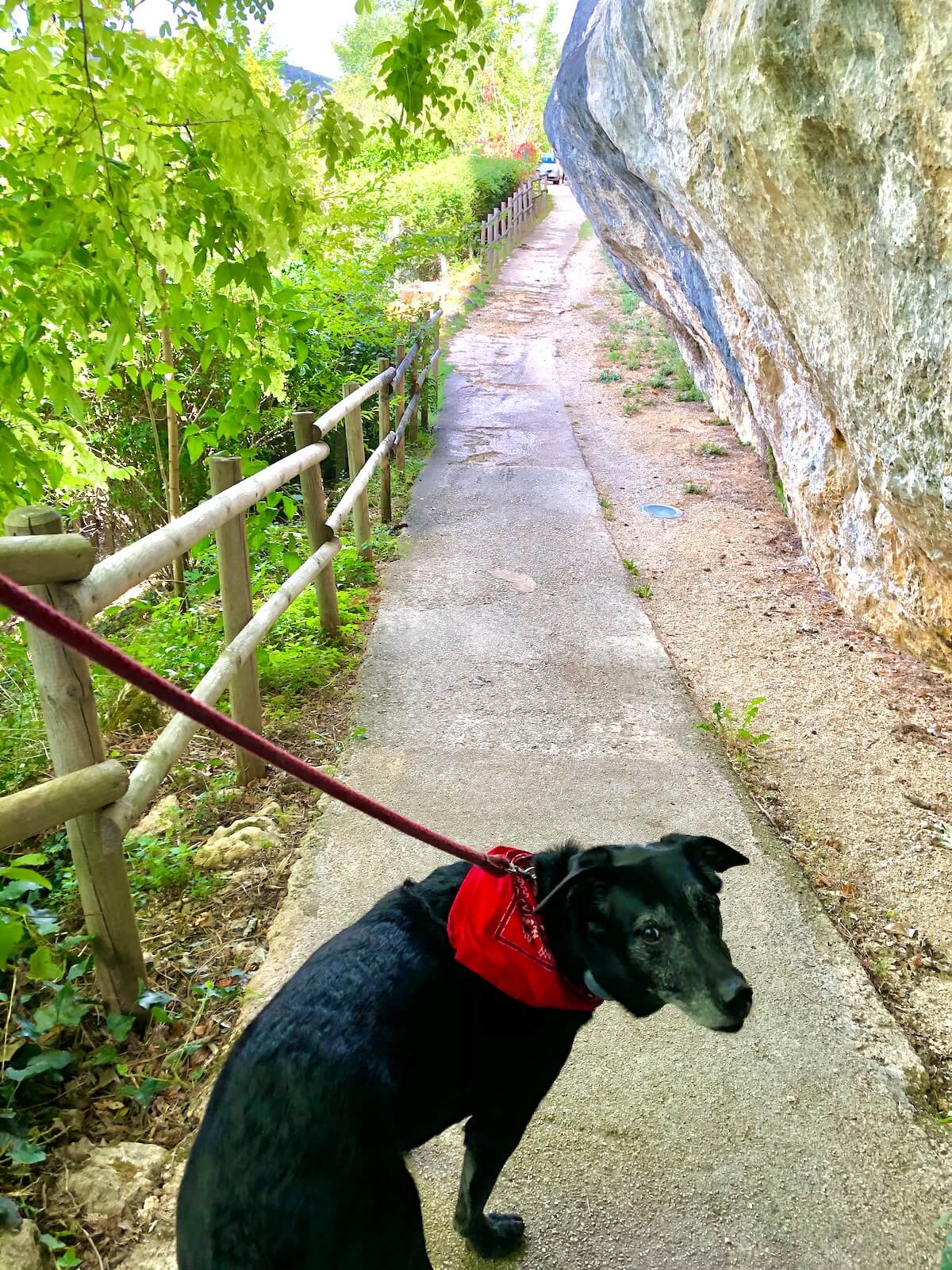
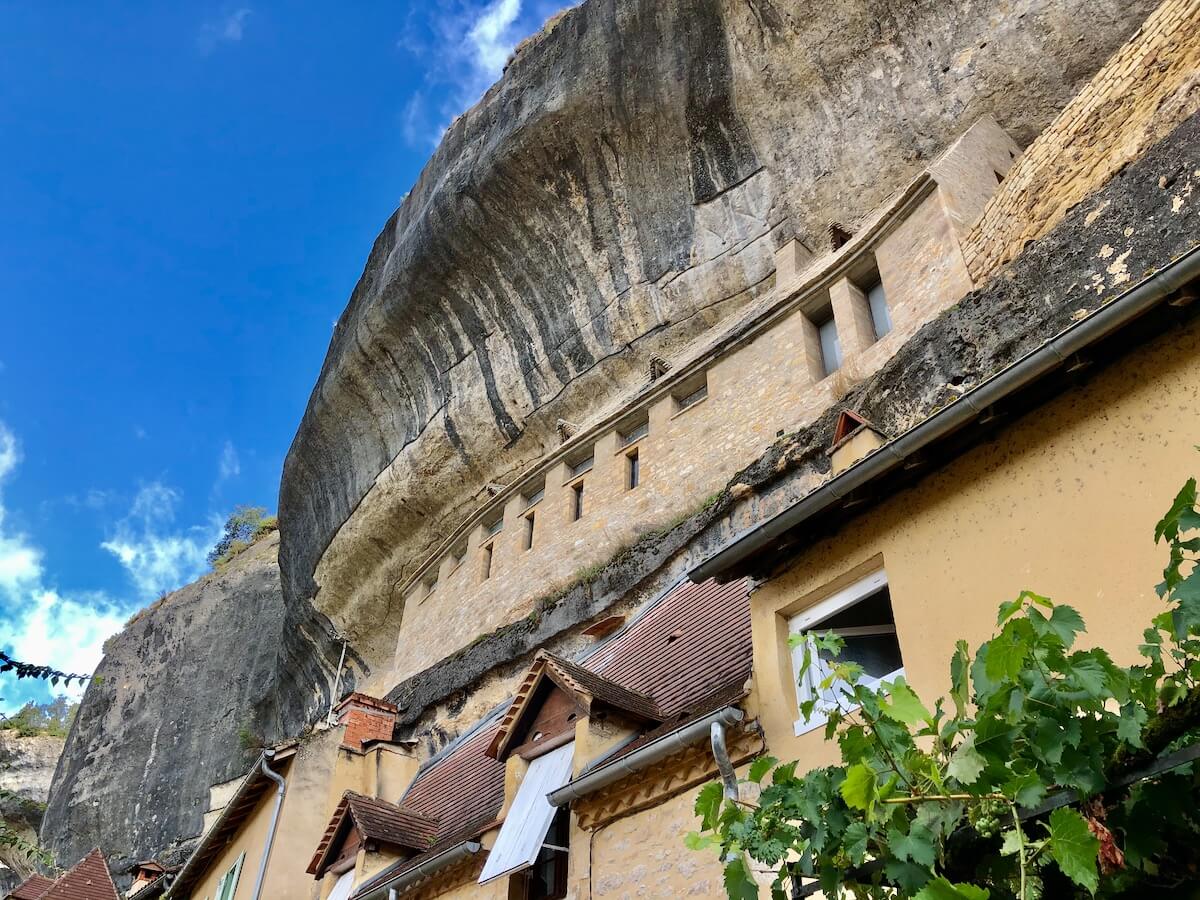
Named after the Vézère River that winds through its lush landscapes, the valley stretches roughly from Montignac in the north to Limeuil, where the Vézère meets the Dordogne River. Known for its picturesque countryside dotted with limestone cliffs, the area is easily accessible by car and is about two hours from Bordeaux or Toulouse.
Why is it referred to as the ‘Valley of Prehistoric Times’?
The Vézère Valley earned its nickname due to its extraordinary concentration of prehistoric sites, many of which date back to the Palaeolithic era. With over 150 archaeological sites and 25 decorated caves, the valley provides a rare window into early human life. In recognition of its global significance, the UNESCO World Heritage Committee designated the Vézère Valley a World Heritage Site in 1979.
The valley was home to some of the earliest humans, who left behind a wealth of tools, carvings, and vivid cave paintings that are among the best-preserved examples of prehistoric art in the world. This history makes the Vézère Valley a destination of choice for archaeologists, historians, and travellers interested in learning about the distant past of our ancestors.

Things to do in the Vézère Valley – Prehistory
Lascaux IV – The International Centre of Parietal Art
The original Lascaux Cave, which was discovered in 1940, was closed in 1963 due to damage caused by visitors and the paintings being exposed to the open air, fungus and damaging CO2. Lascaux IV, located near Montignac. This state-of-the-art replica allows visitors to experience the remarkable Palaeolithic paintings without harming the fragile originals.
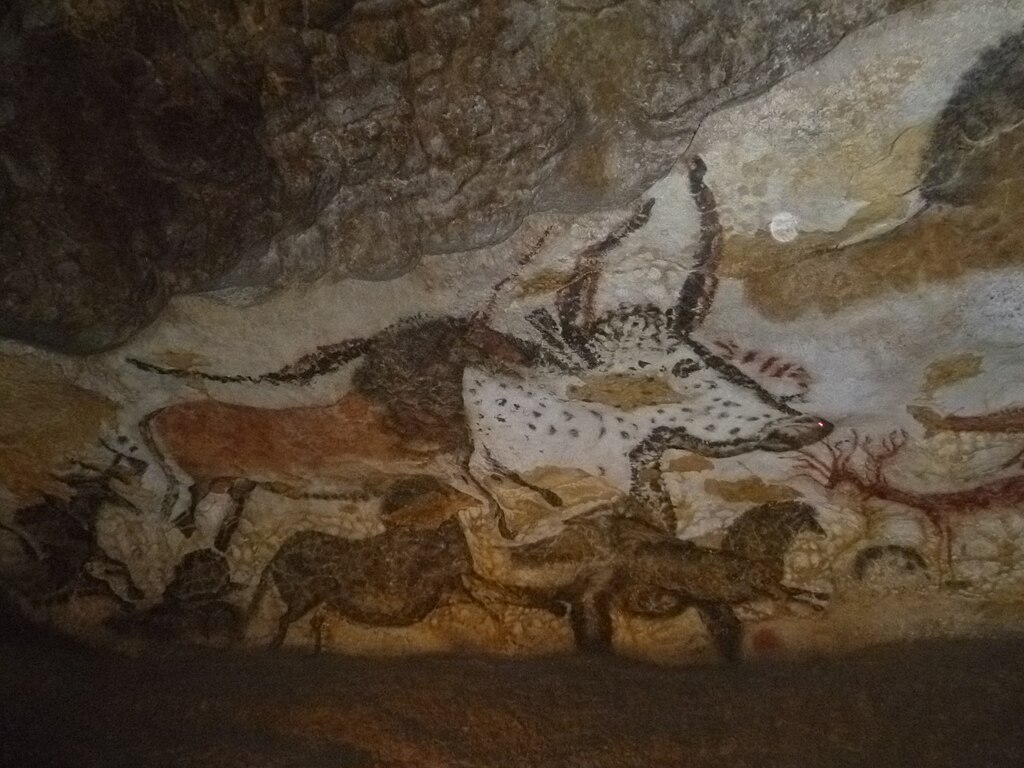
At this world class centre, you can marvel at vivid depictions of horses, deer, and bulls, created over 17,000 years ago. The interactive exhibits and virtual reality stations offer deeper insights into the art and techniques used by prehistoric humans.
Lascaux II
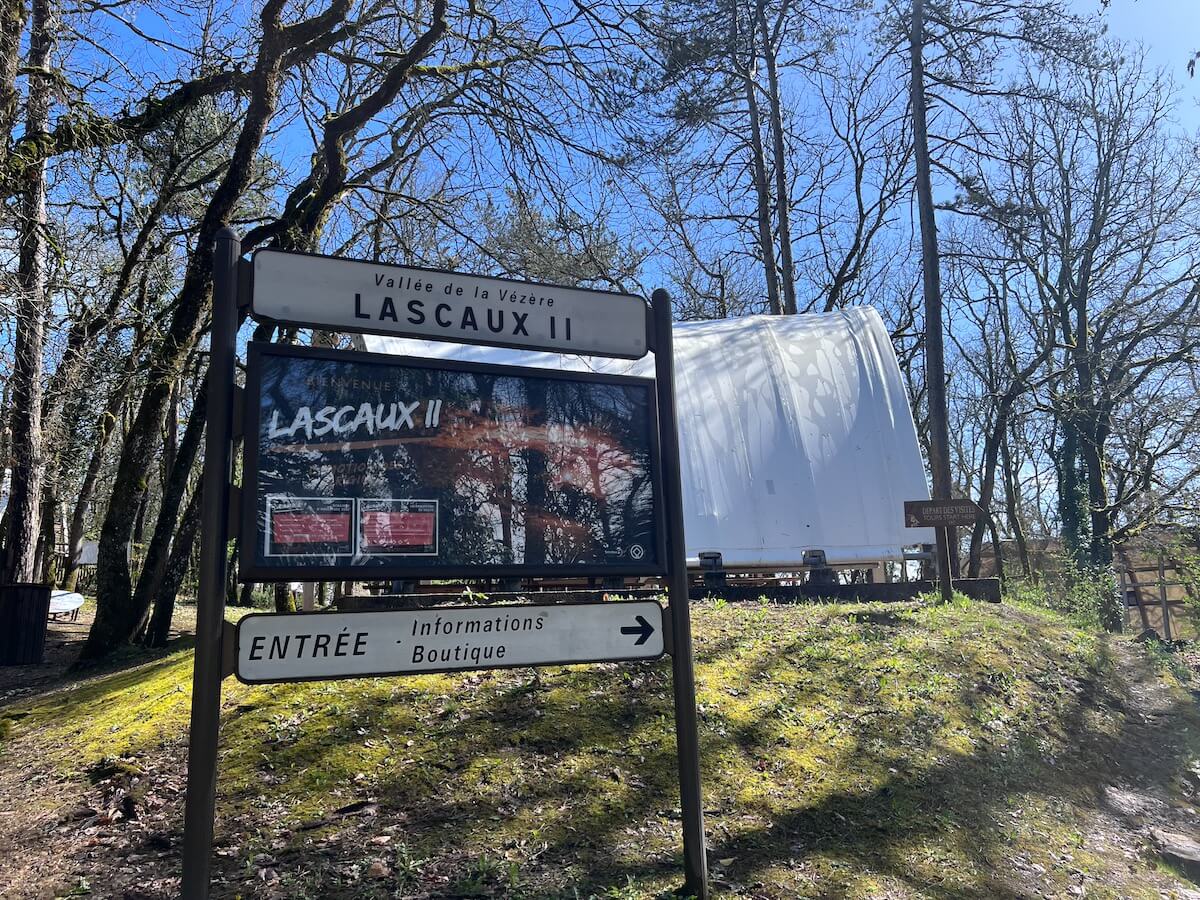
Lascaux II is right near the entrance to the original cave. An early and only partial replica of the original, Lascaux II reproduces the most famous sections of the cave: the Hall of the Bulls and the Painted Gallery. The artwork was recreated using the same techniques and materials as the original cave paintings.
Lascaux II has a range of outdoor interpretive panels, visitor centre and picnic area, so it is a seasonal attraction, closed over winter.
NOTE: Wondering where Lascaux III is? It’s a touring exhibition which helps to bring the wonders of the Lascaux Cave to the world!

Site de Castel-Merle
Castel Merle comprises a cluster of prehistoric rock shelters and caves. Many of these were occupied by early humans during the Upper Palaeolithic period, around 35,000 to 10,000 years ago.
The site was inhabited by various prehistoric cultures, including the Aurignacians and Magdalenians, both known for their advancements in tool-making, art, and social organisation.
Abri Blanchard and Abri Castanet are two of the most famous shelters at Castel-Merle. Blanchard Shelter features engraved limestone blocks. Abri Castanet is famous for its carved and painted decorations, including abstract designs and depictions of animals.
Excavations have uncovered hearths, tools, and other evidence of daily life, shedding light on how early humans survived and adapted to their environment.
Grotte de Rouffignac
Known as the ‘Cave of a Hundred Mammoths,’ the Grotte de Rouffignac features over 250 prehistoric engravings and paintings, including mammoths, horses, and bison. This vast cave stretches for over 8 kilometres. You take an electric train through the cave to view the artwork.
Like many of the sites in the Vézère Valley, Rouffignac Cave is only open April – November.

La Roque Saint-Christophe
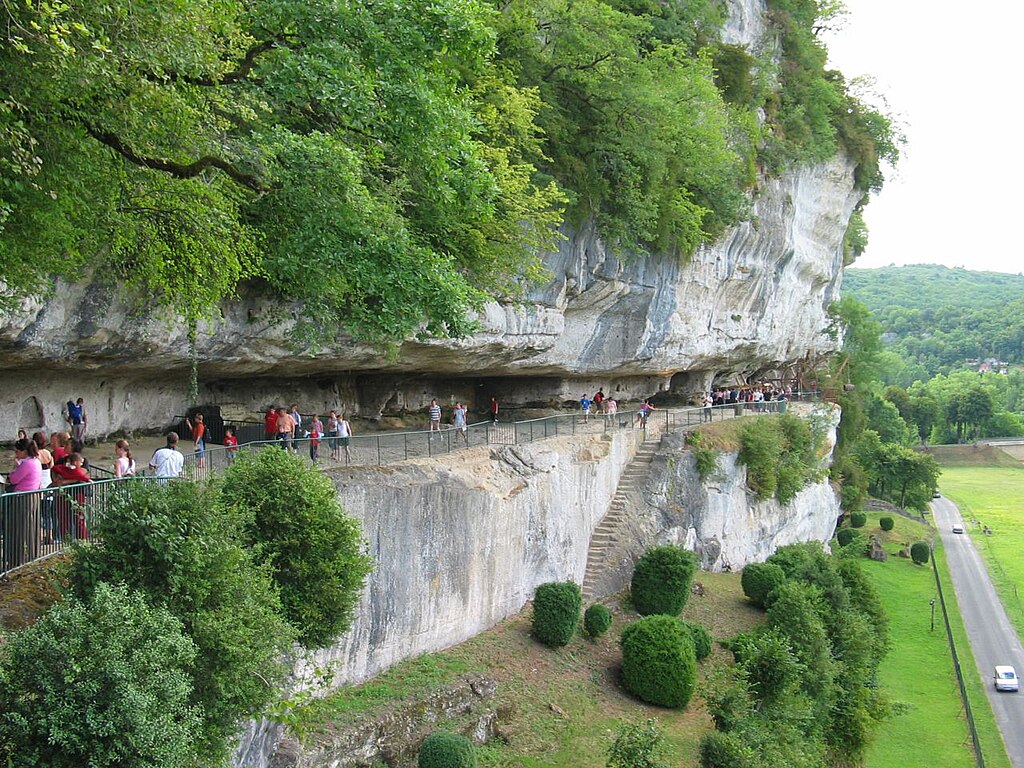
The Vézère Valley is home to several villages and dwellings built into the cliffs, one of which is La Roque Saint-Christophe. A massive troglodyte complex is carved into a limestone cliff. Visiting offers a first-hand look at how these shelters protected early humans.
Abri de Cap Blanc
Cap Blanc is a rock shelter featuring an impressive frieze of carved animals, including horses and bison, dating to the Magdalenian period (about 15,000 years ago). Unlike painted caves, this site showcases prehistoric sculpting skills. A nearby museum provides additional context about the site and its significance.
Grotte de Font-de-Gaume
One of the few caves with original prehistoric paintings still open to the public. The Grotte de Font-de-Gaume is located near Les Eyzies and features vivid polychrome paintings dating back approximately 14,000 years.
Visitor numbers are strictly limited to protect the artwork, so book your tickets well in advance.
Grotte des Combarelles
A narrow, winding cave near Les Eyzies featuring over 600 engravings dating back approximately 13,000 years. These engravings depict animals such as horses, reindeer, and lions, as well as rare human figures.
As with the Grotte de Font-de-Gaume, all visits are by guided tour, and limited numbers, so you must get your tickets in advance. It’s a privilege to be able to still visit these caves, so these precautions are necessary.
Grotte du Grand Roc
Grotte du Grand Roc has an amazing array of natural stalactites, stalagmites, and crystal formations. Prehistoric engravings and archaeological artefacts show that prehistoric humans also enjoyed this cave.
Les Eyzies-de-Tayac
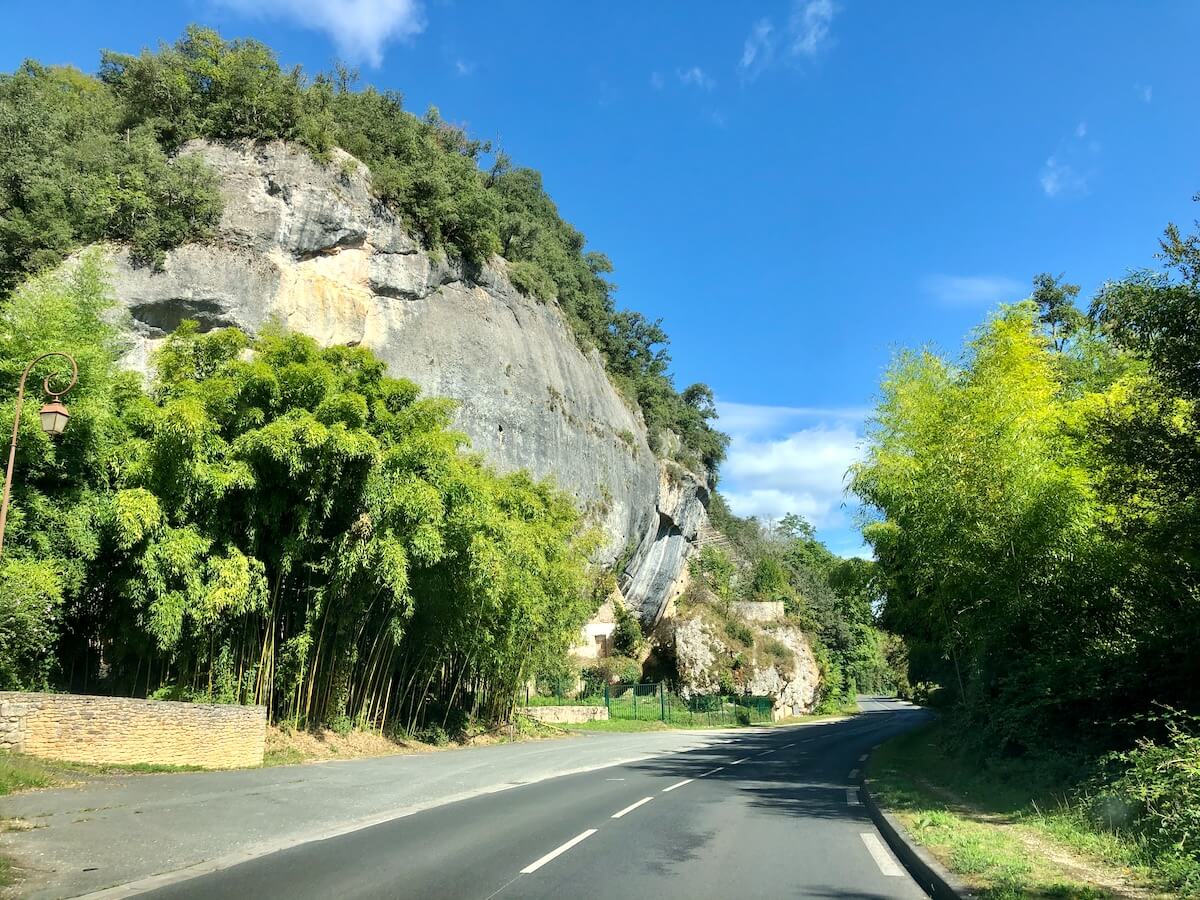
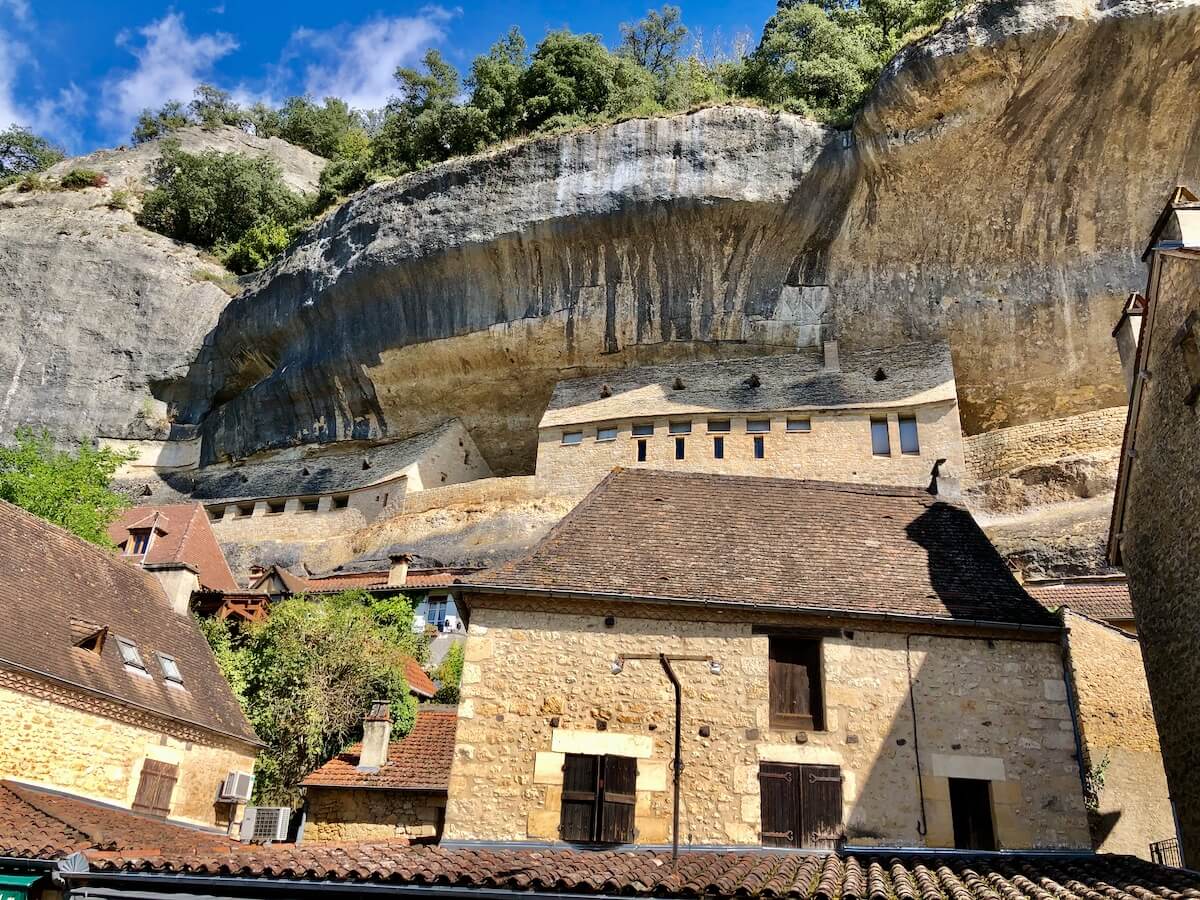
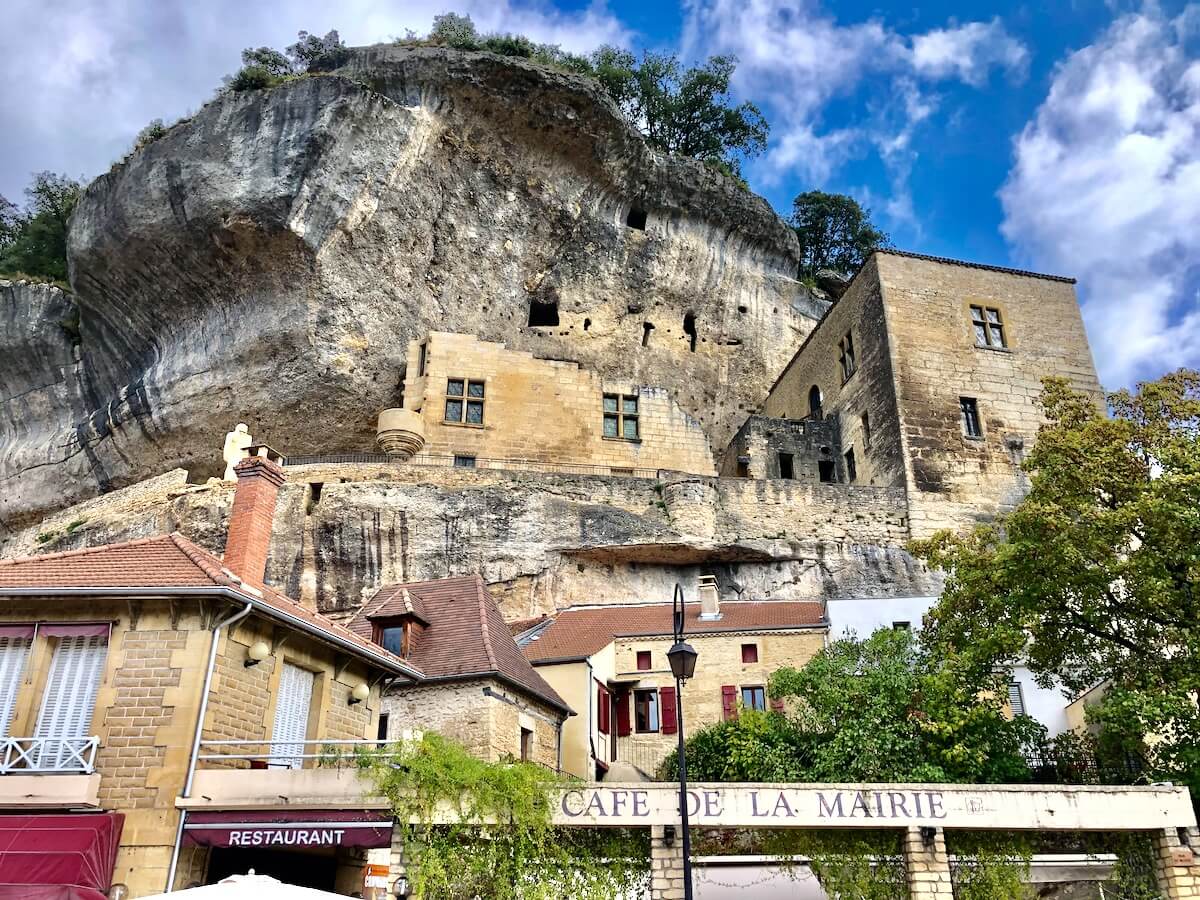
Les Eyzies is a great hub for exploring the area. Often called the ‘Capital of Prehistory,’ the village is built into dramatic limestone cliffs, many of which house ancient rock shelters. Archaeological excavations have revealed evidence of early human activity, including tools, carvings, and dwellings. With its troglodyte structures and connections to major discoveries in Palaeolithic archaeology, including the study of Cro-Magnon humans, it’s a fantastic stopping point.
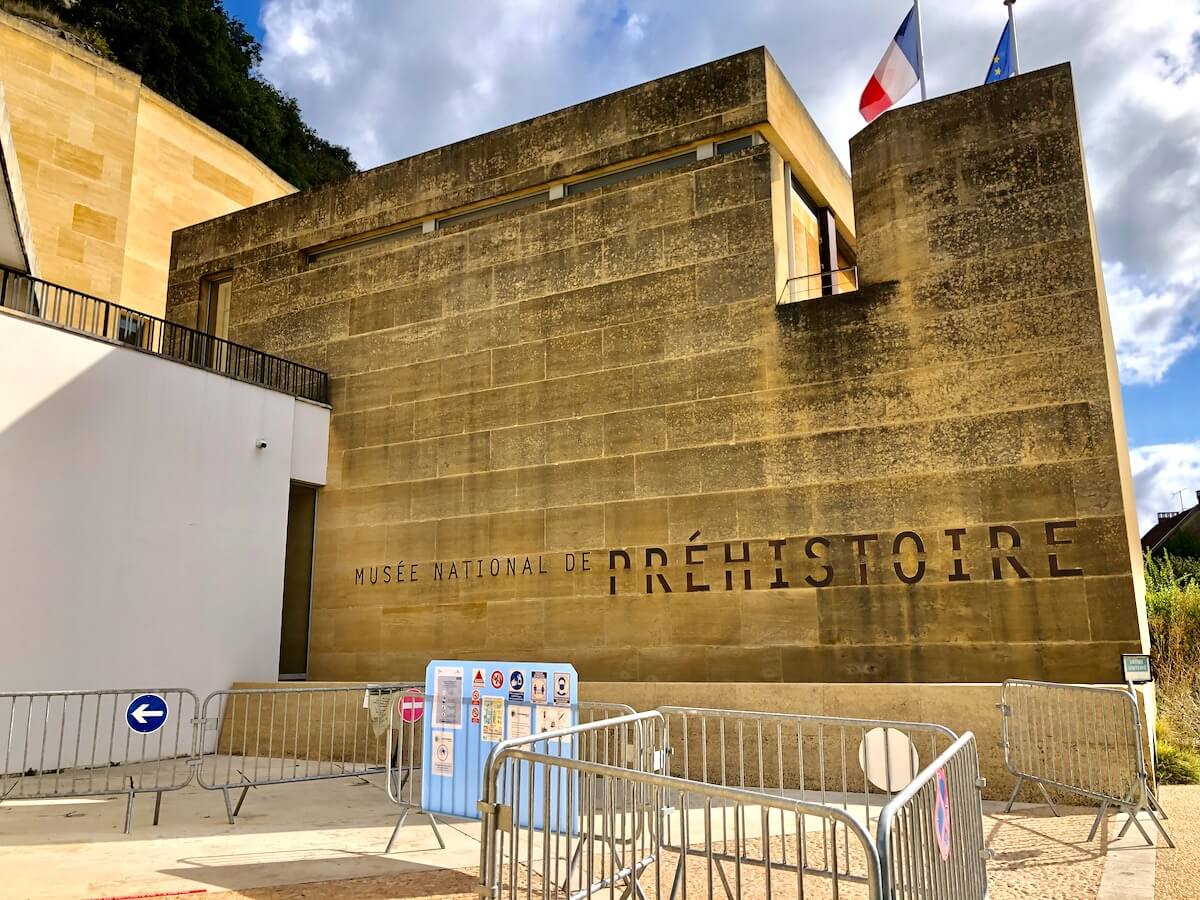
- National Museum of Prehistory in Les Eyzies-de-Tayac – The National Museum of Prehistory displays over 18,000 artefacts from the Palaeolithic era, including tools, weapons, and art. Highlights include carved bones, engraved stones, and realistic reconstructions of prehistoric life. Visitors can explore exhibits detailing human evolution, ancient hunting techniques, and archaeological finds, as well as caves within the complex.
- Abri de Cro-Magnon – this small rock shelter site features exhibitions on early humans, including reconstructed skeletons, artefacts, and life-size displays.
TICKETS: Tickets to many of the pre-historic national monuments around Les Eyzies can be found here.
Other Things to Do in and Around the Vézère Valley
- Hike the trails – The Vézère Valley is not just about caves and history; it’s also a haven for nature lovers. Hiking trails wind through rolling hills, forests, and along the Vézère River, offering stunning views of the valley’s limestone cliffs and verdant landscapes.
- Beaux Villages – Saint-Léon-sur-Vézère is a beautiful village classified as one of France’s ‘Les Plus Beaux Villages.’
- Paddle Down the Vézère River – Canoeing or kayaking along the Vézère is a relaxing way to see the valley’s natural beauty and archaeological sites from a different perspective.
- Visit Château de Commarque – A mediaeval castle built near a prehistoric site. This multi-era location combines ancient history with mediaeval architecture.
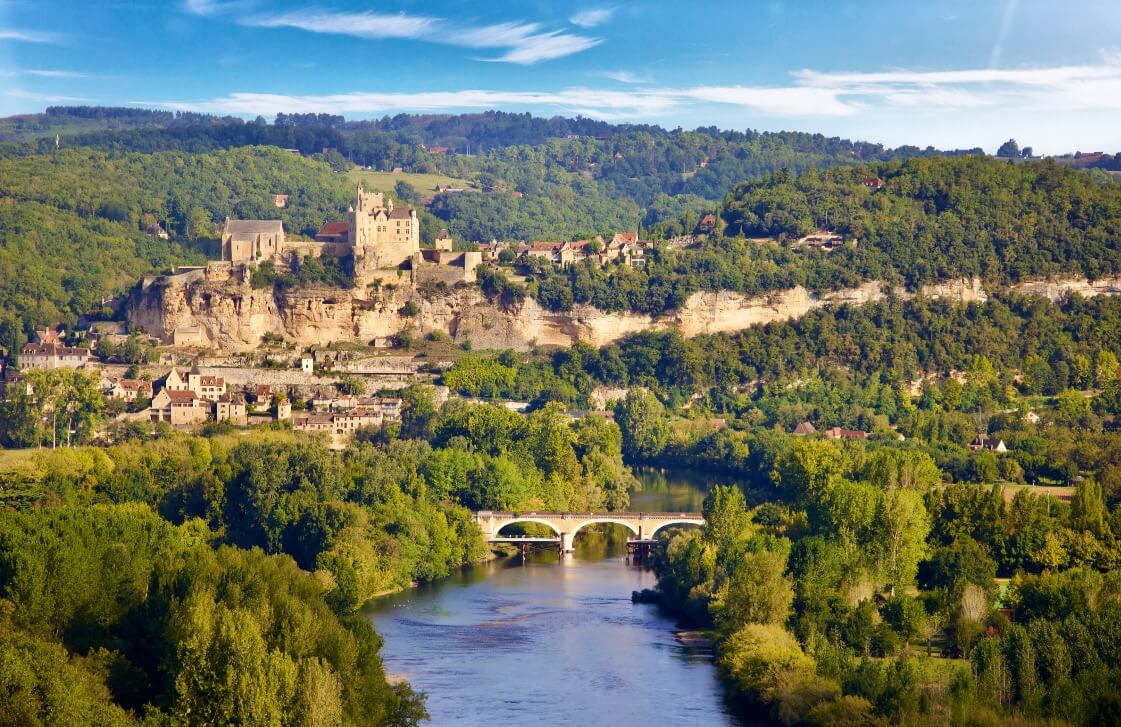
The stunning Dordogne river valley is nearby. Highlights include the market town of Sarlat, the Trogodyte caves of La Roque Gageac, and the Valley of the Five Chateaux, where castles and castle views dominate the landscape.


Where to stay in the Vézère Valley
- Montignac – Try the Hôtel Restaurant de Bouilhac or Hostellerie La Roseraie, both in the centre of Montignac-Lascaux. Or stay in a nearby castle – Domaine de Puy Robert!
- Along the Valley – There are lots of rural properties in the smaller villages and hamlets along the way. Try Logis Hôtel Archambeau in Thonac or Racine lodges near Saint-Léon-sur-Vézère
- Les Eyzies-de-Tayac-Sireuil – There are lots of accommodation options here. Try Les Glycines – Hôtel & Spa – Teritoria or Hotel Restaurant Le Centenaire in the town centre.
There are lots of aires and campsites along the route too, for those travelling in campers or caravans.
All content © Hannah Henderson or listed guest author, and may not be used without permission (sharing this blog post is fine, though!).
PIN IT FOR LATER…